Students Explore Fish Resources and Water Quality During Educational Activities at Lake Lukna
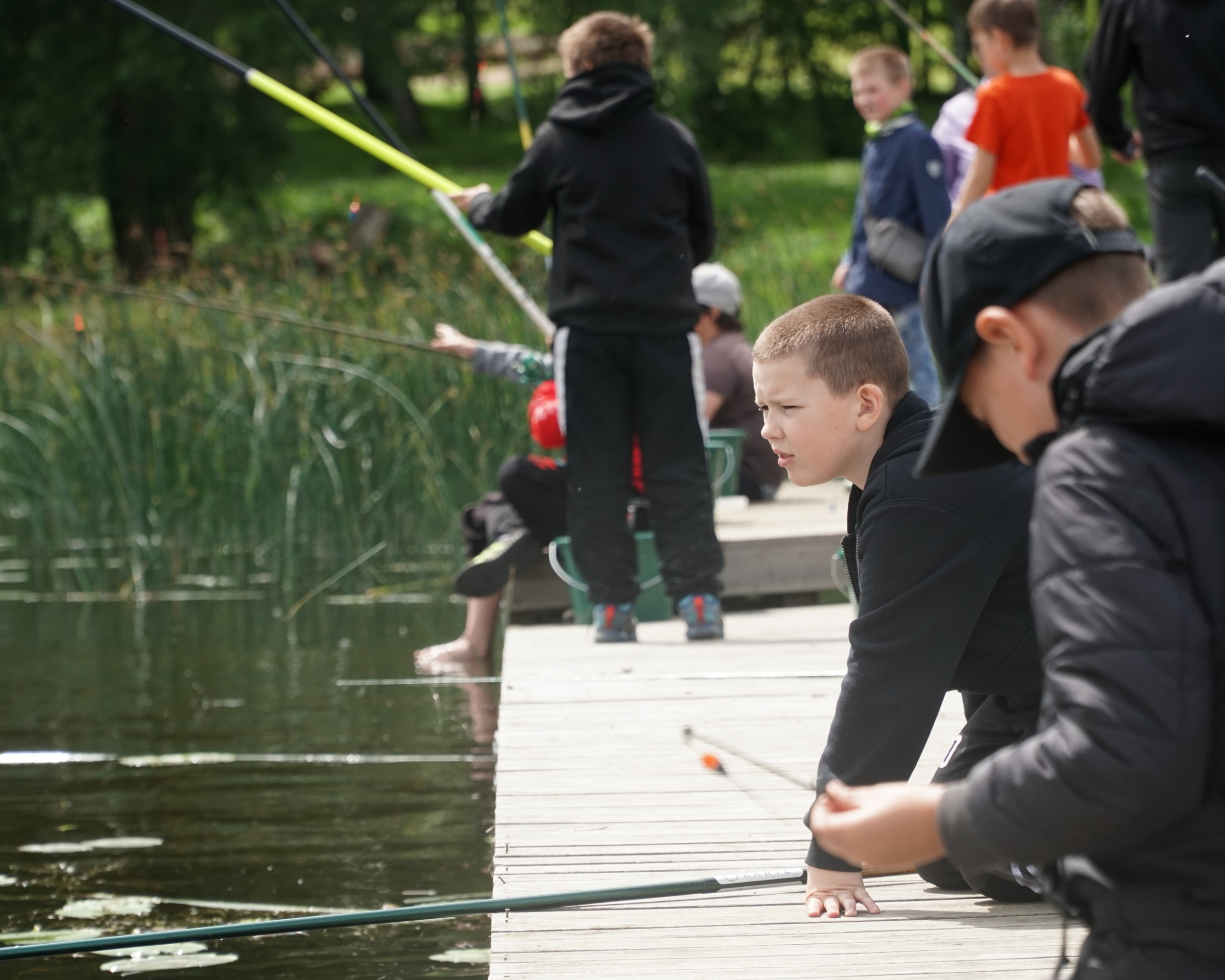
As part of the State Fish Fund-supported project “Implementation of Public Awareness Activities on Fish Resources in Augšdaugava Municipality”, educational activities for schoolchildren were organized at Lake Lukna in cooperation with the Latvian Rural Advisory and Training Centre (LLKC) programme “Mana Cope” (“My Fishing Experience”) and fishing expert Normunds Grabovskis. The event, now taking place for the fourth year, brought together 50 schoolchildren over two days, with 25 participants attending each day.
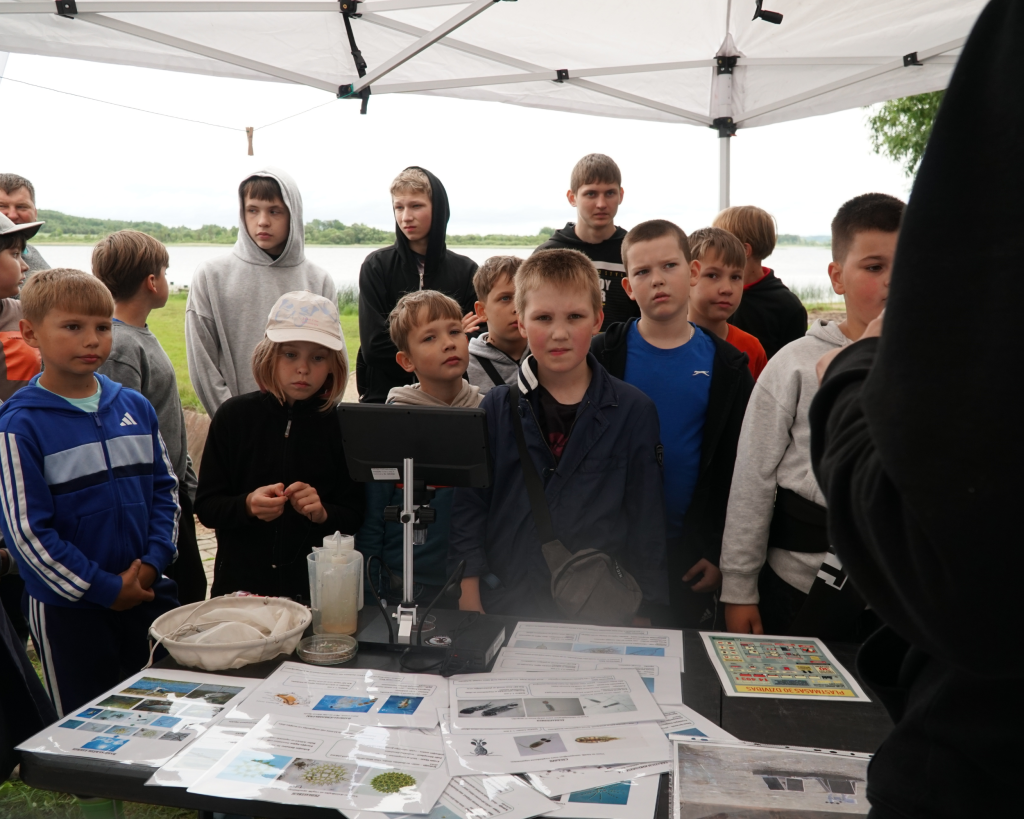
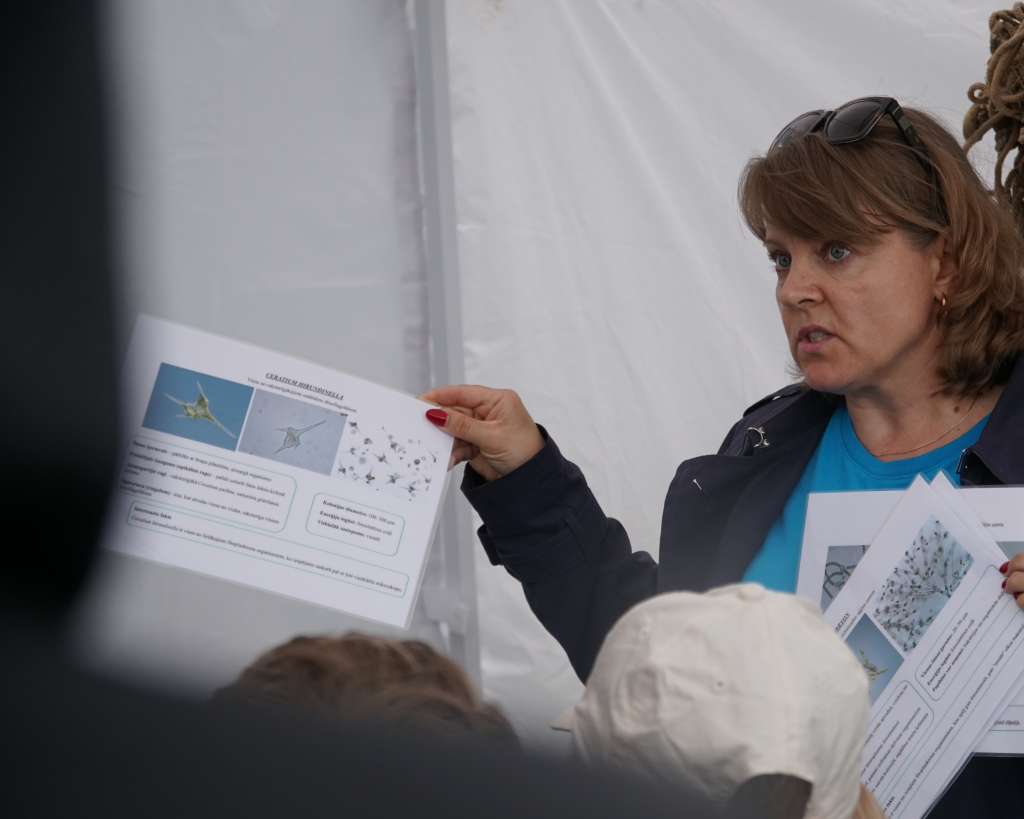
This year, a significant part of the programme was dedicated to educational activities led by experts from the Latvian Institute of Aquatic Ecology (LIAE) and the Interreg Latvia–Lithuania project “Lakes Go Digital”. Through a combination of presentations, demonstrations, and field activities, participants were introduced to modern water quality monitoring methods and the practical work of environmental researchers.
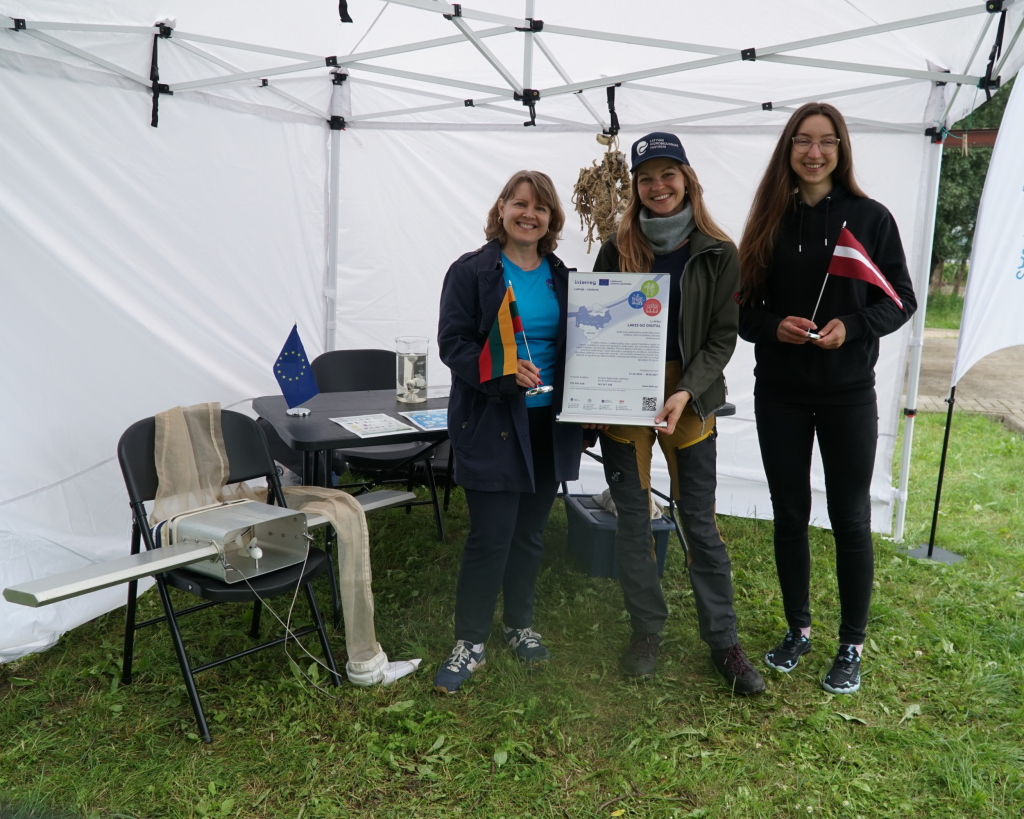
LIAE researchers Iveta Jurgensone and Marta Barone, together with communication specialist Kristīne Plinta, presented the innovative smart buoy technology being deployed in Latvian and Lithuanian lakes within the framework of the Lakes Go Digital project. The students learned how real-time monitoring systems are used to track changes in water quality, identify potential pollution risks, and provide data that supports informed decision-making in lake management.
During the educational sessions, participants explored the diversity of aquatic ecosystems, the role of aquatic plants and microorganisms in maintaining healthy lake environments, and the growing environmental challenge posed by microplastic pollution. The programme also included practical demonstrations of scientific monitoring methods used by researchers in the field.
Students had the opportunity to observe water quality measurements using a multiparameter probe, participate in microorganism sampling, and learn how environmental data are collected and analysed. Particular interest was generated by the demonstration of the smart buoy monitoring system. Participants discovered how these autonomous devices continuously measure key environmental parameters, including water temperature, dissolved oxygen concentration, electrical conductivity, water level, and other indicators that help assess the ecological status of lakes over time.
The main objective of the LIAE and Lakes Go Digital educational activities was not only to increase understanding of freshwater ecosystems but also to inspire interest in environmental sciences, research, and innovative technologies. By experiencing scientific fieldwork firsthand, students gained valuable insight into how modern lake management increasingly relies on data-driven approaches, digital technologies, and long-term environmental monitoring.