Researchers’ Night at LHEI: Aquatic Research in Practice
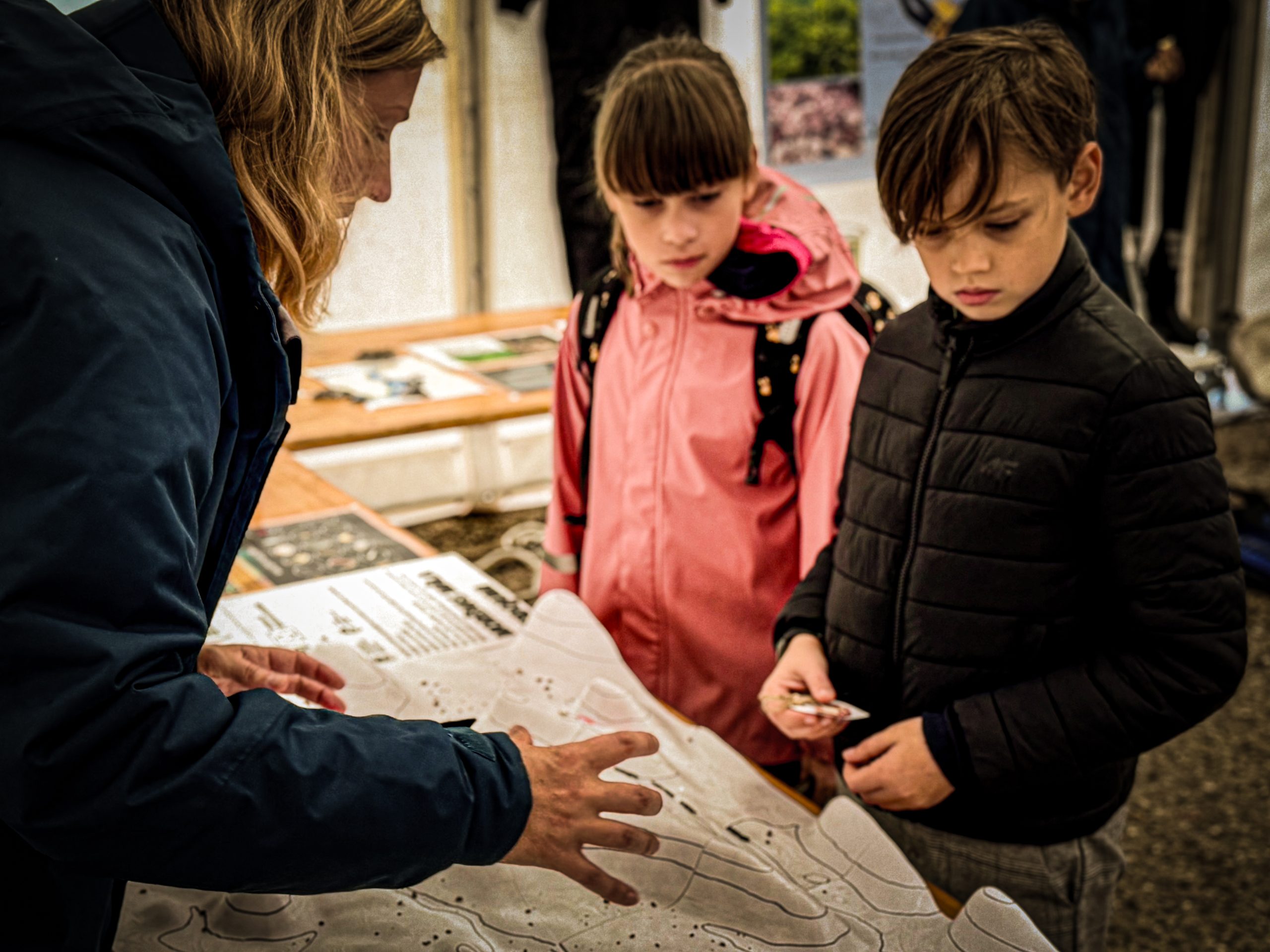
Water quality, microplastic pollution, underwater sound, the seabed and aquatic organisms were among the topics explored by visitors at the Latvian Institute of Aquatic Ecology (LHEI) on 25 September. From 17:00 to 22:00, European Researchers’ Night took place at the institute’s premises at Voleru Street 4 in Riga, offering visitors an opportunity to meet researchers, learn about research methods and take part in hands-on activities.
This year’s Researchers’ Night theme in Latvia was “Discover the Nature of Science!” At LHEI, the programme focused not only on what scientists study, but also on how knowledge about aquatic environments is produced. Visitors were introduced to a research process that begins with sampling and observation, continues through laboratory analysis and data processing, and leads to conclusions about the condition of ecosystems and the changes taking place within them.
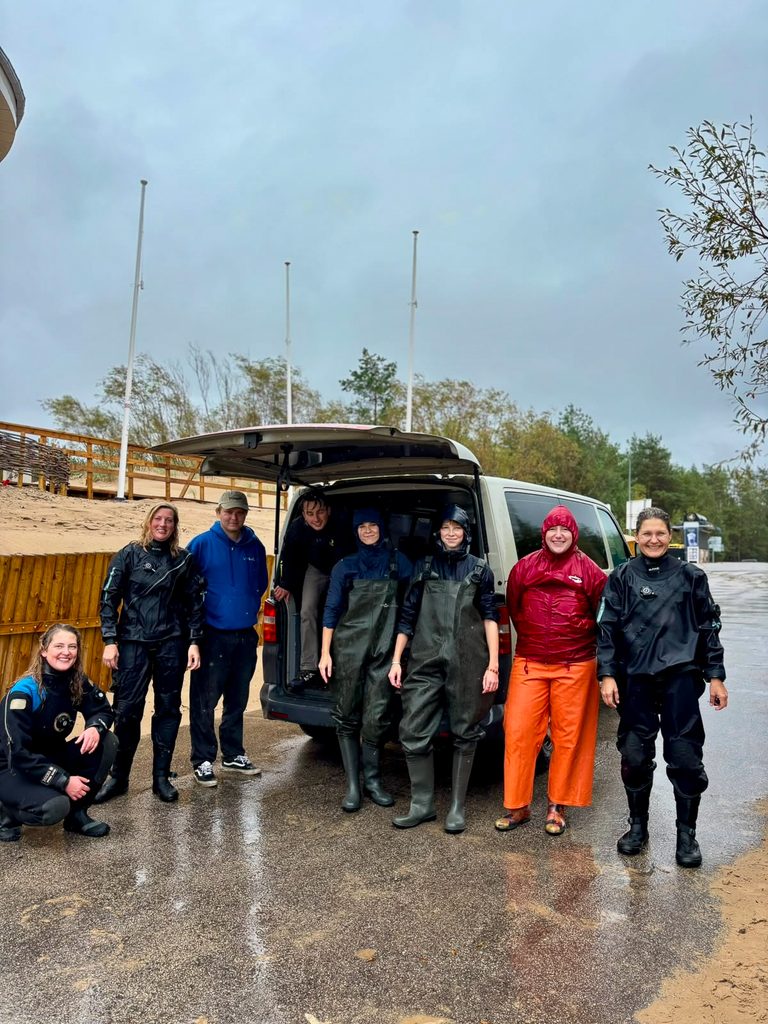
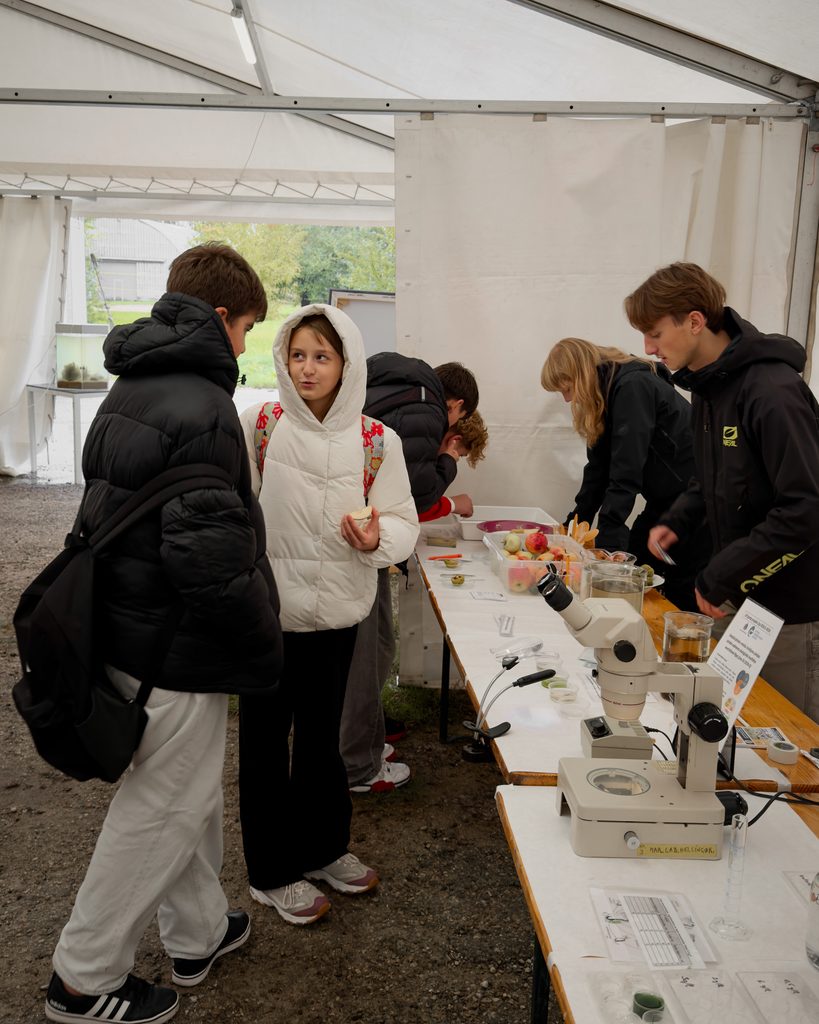
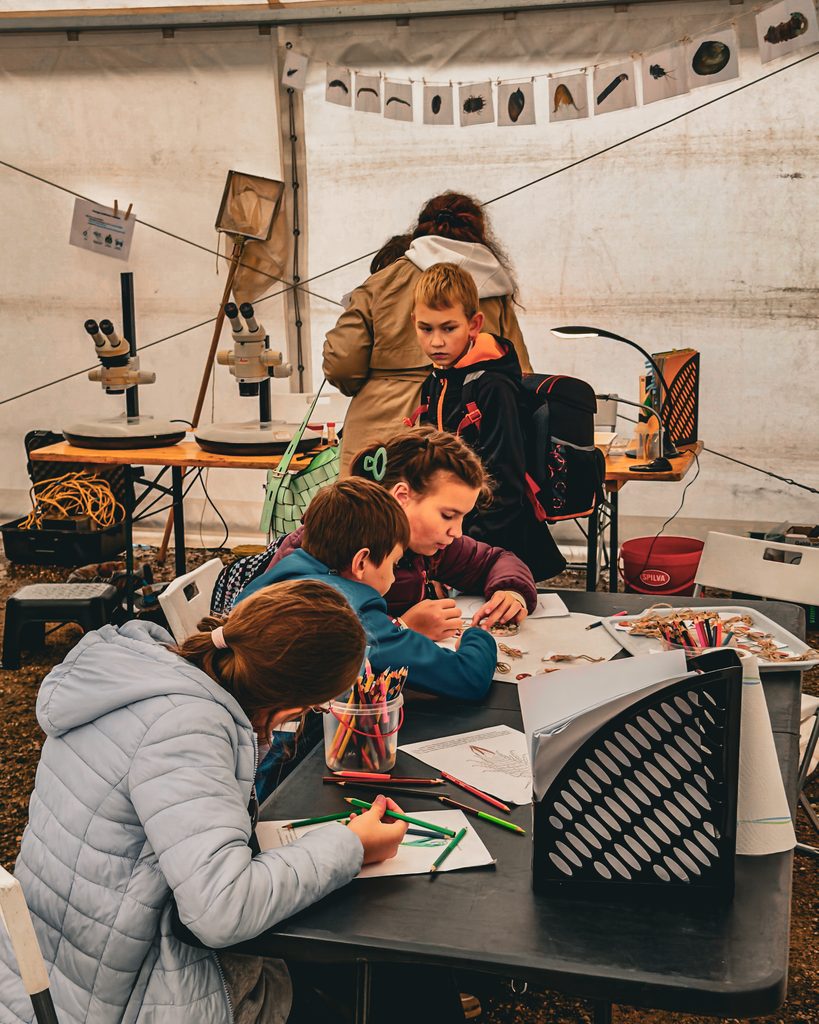
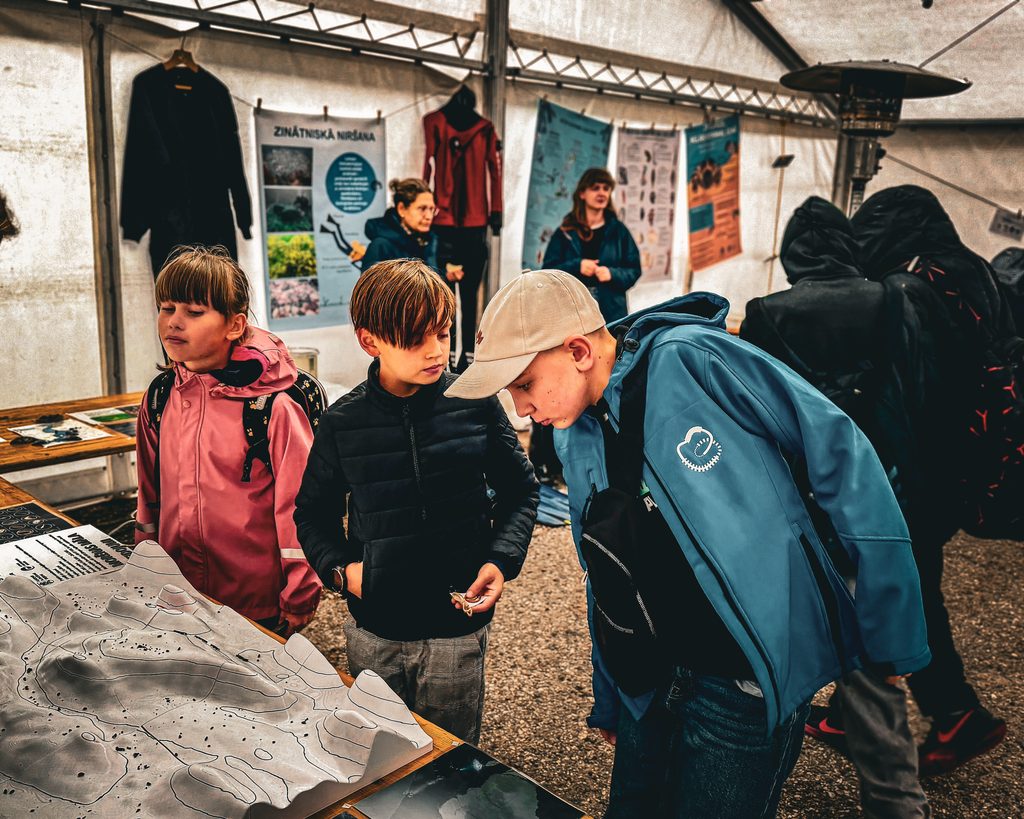
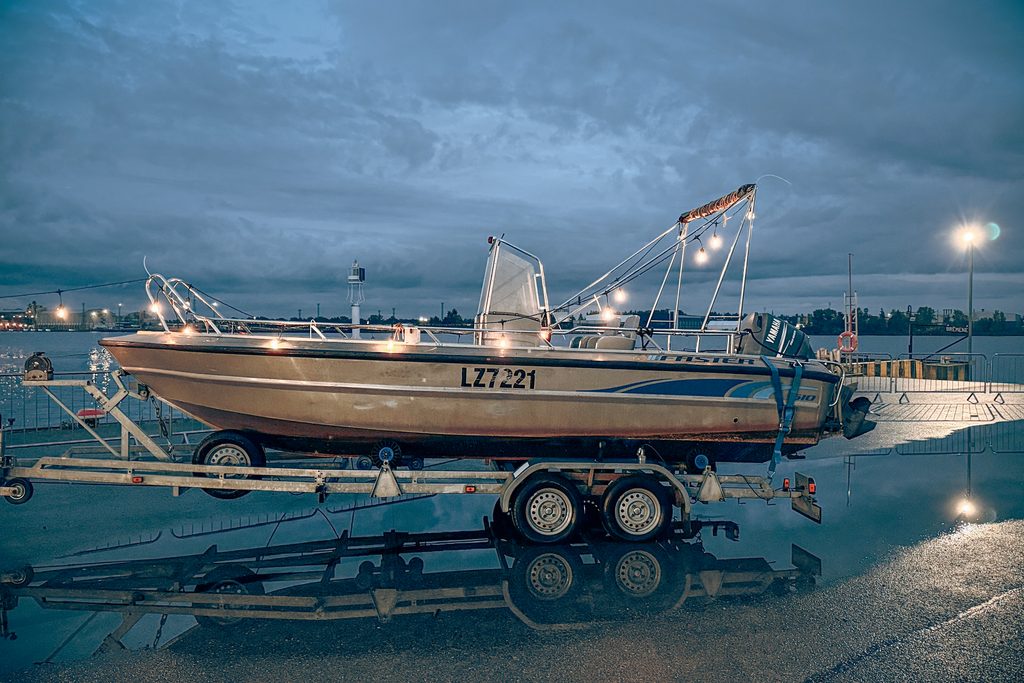
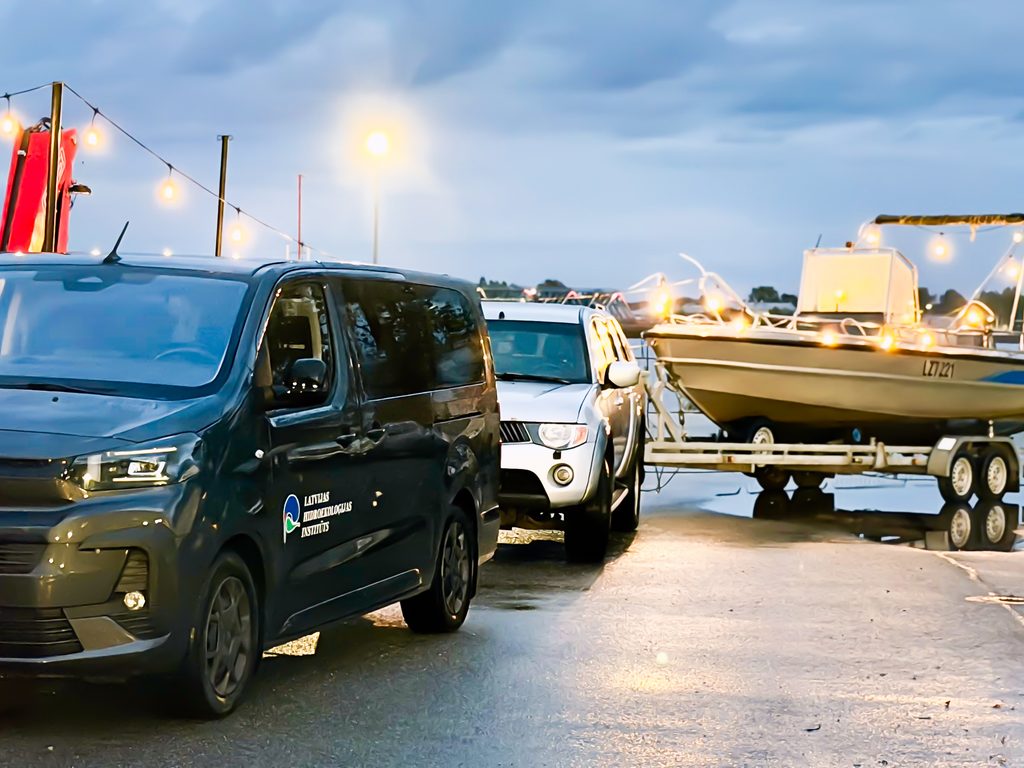
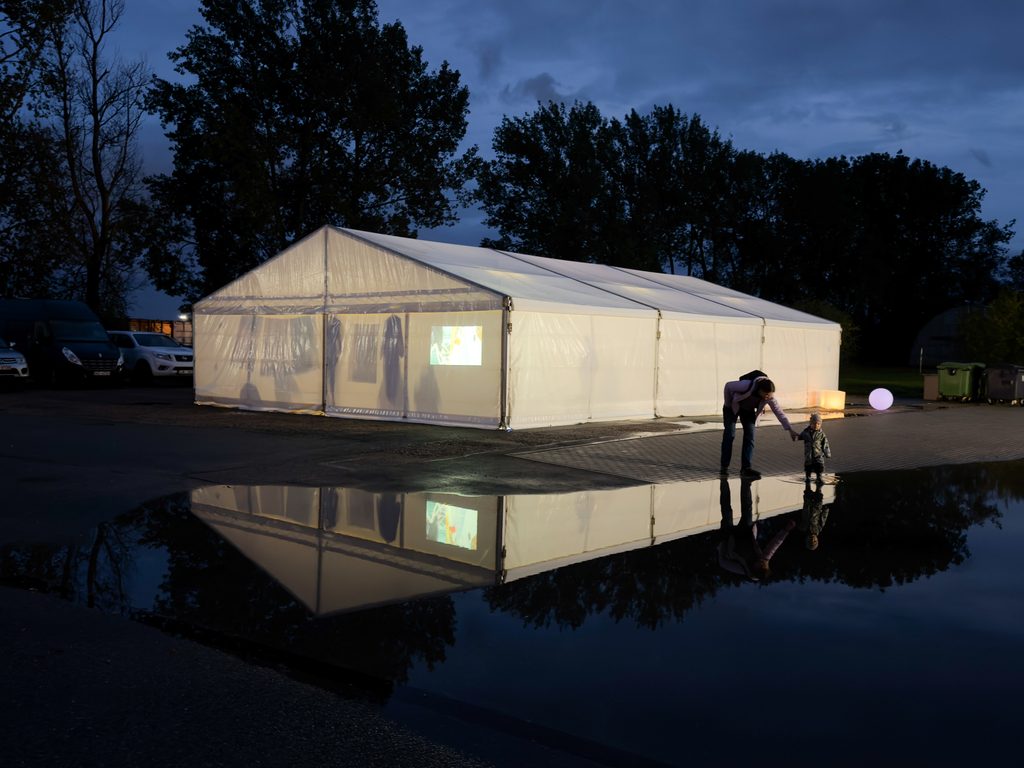
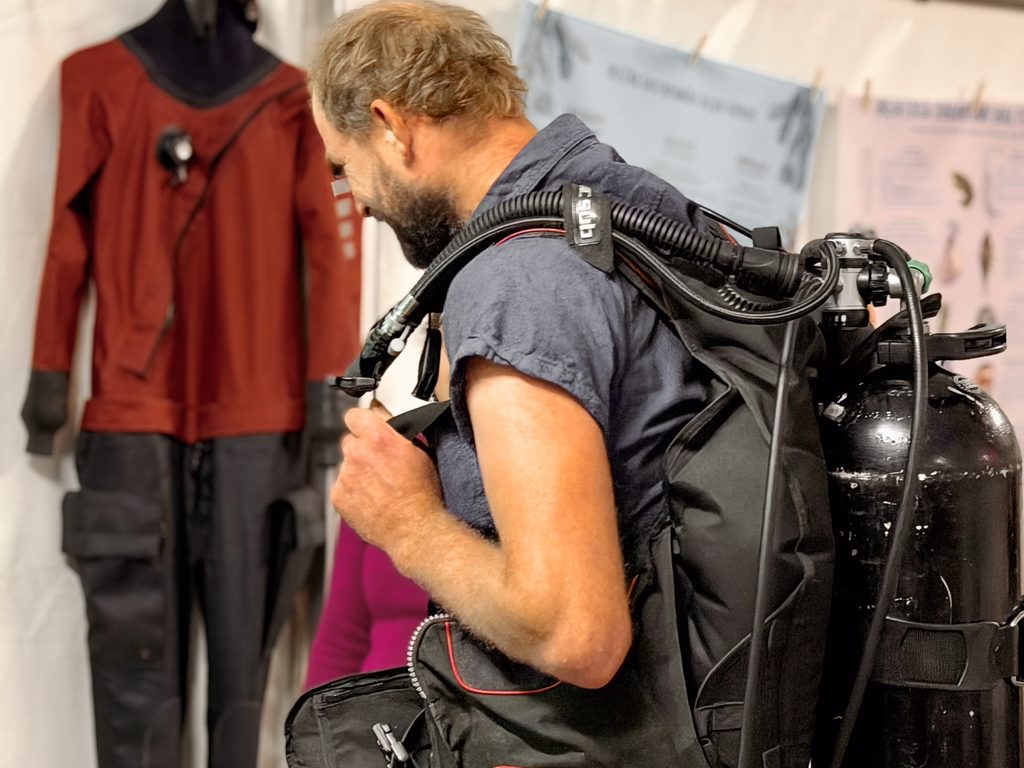
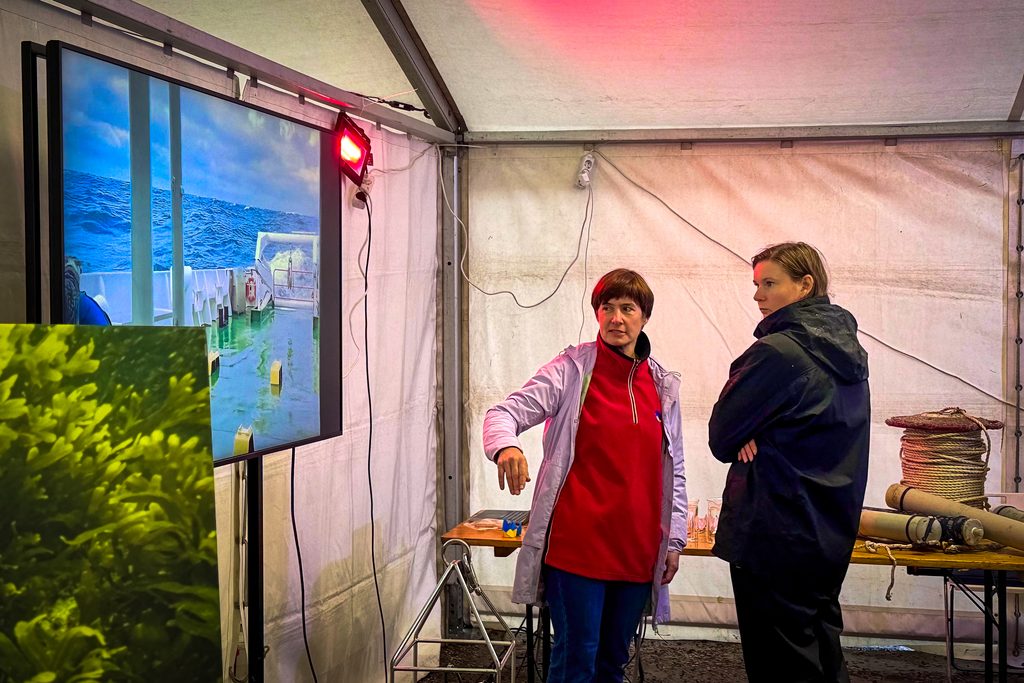
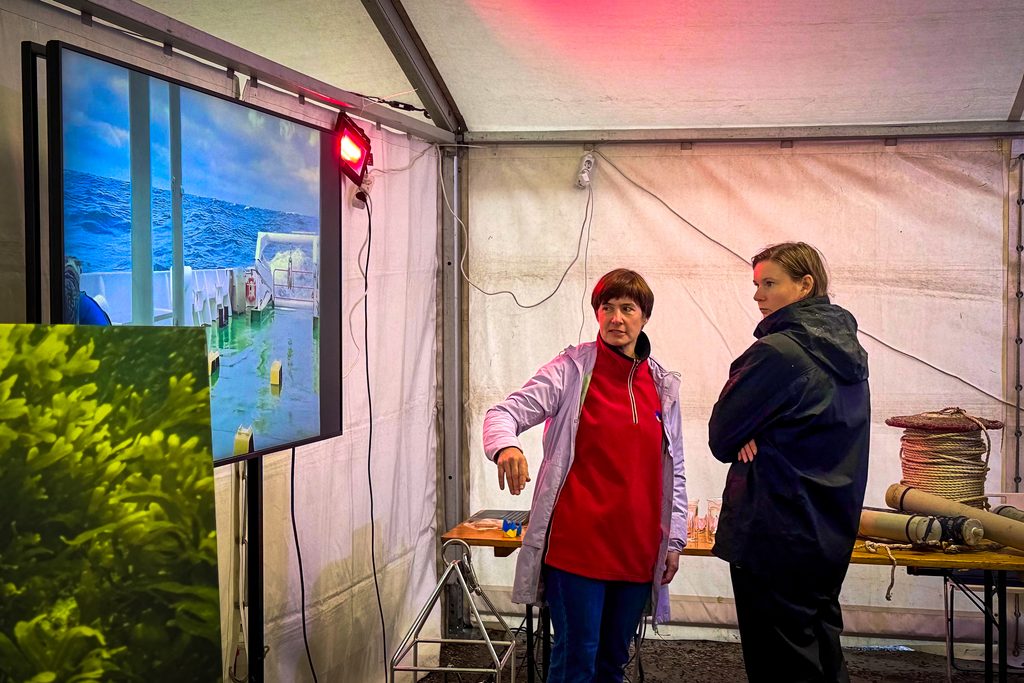
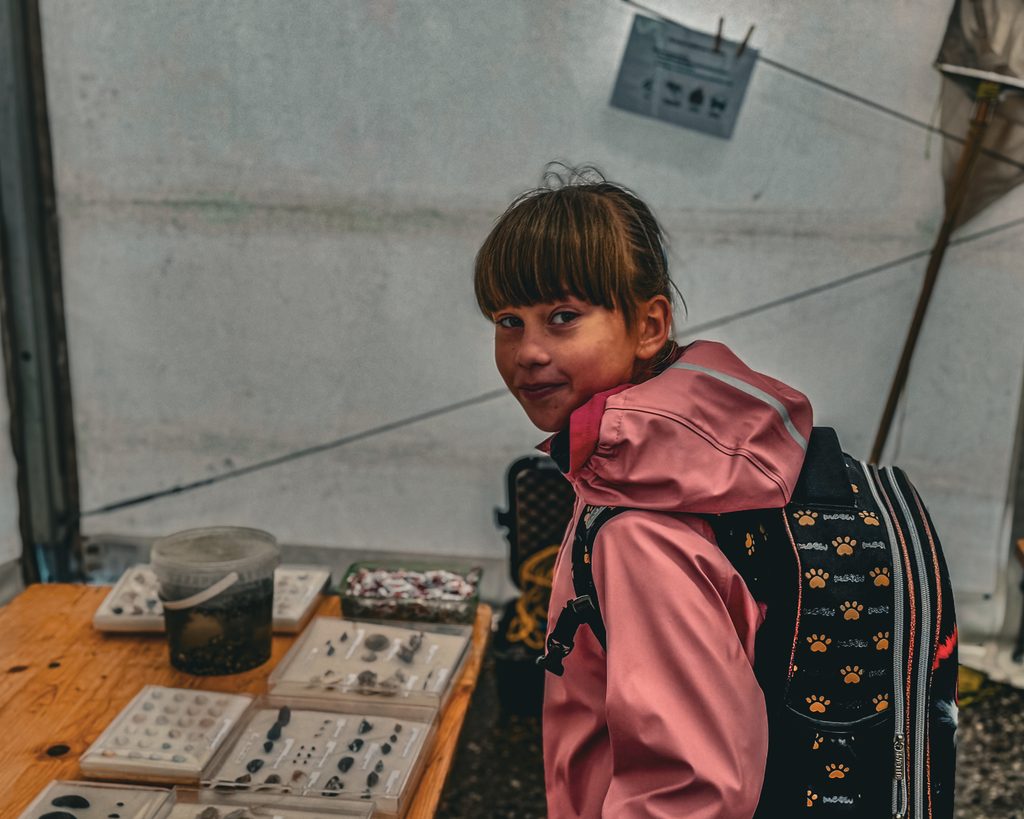
Most of the activities were held outdoors. Rain affected the course of the evening, but the programme continued in tents and outdoor research stations. Lighting across the area helped visitors move between activities and created an informal setting for conversations with researchers and practical demonstrations.
From microplastics to underwater sound
One of the main themes of the evening was water quality and the impact of human activities on aquatic environments.
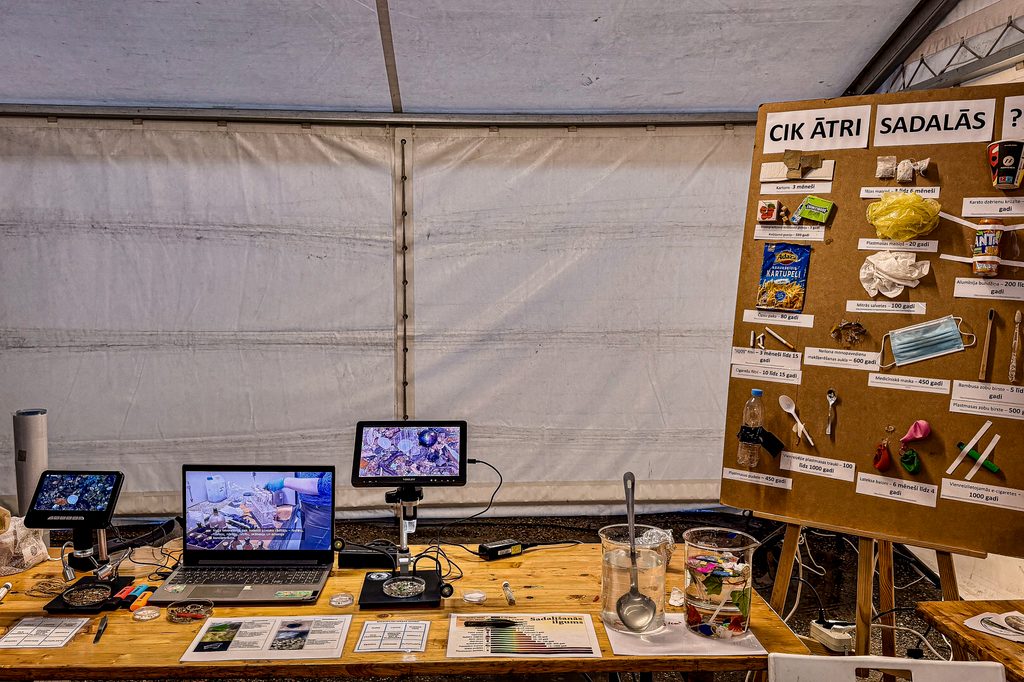
Visitors learned how researchers detect and analyse microplastics, assess water quality and collect the data needed to understand how pollution spreads and how it may affect ecosystems.
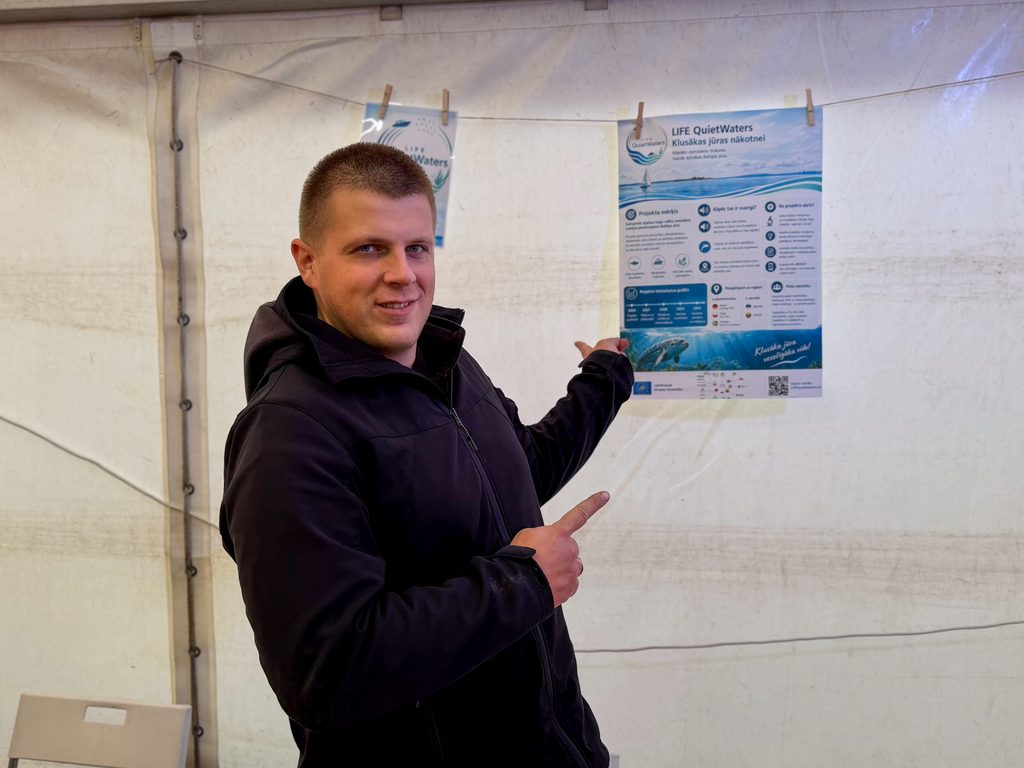
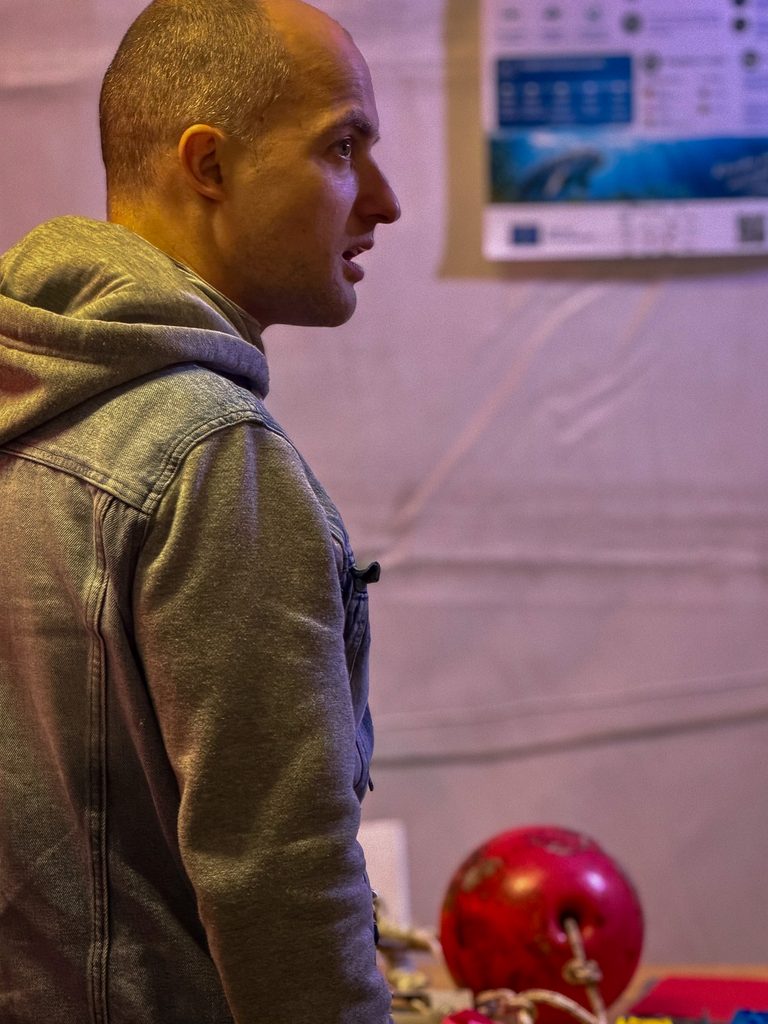
Particular attention was also given to underwater noise. Human-generated sound beneath the water surface is largely imperceptible in everyday life, yet it forms an important part of the marine environment and can be measured, analysed and assessed. This topic was linked to the work of the LIFE QuietWaters project, which investigates underwater noise in the Baltic Sea and possible ways of reducing its impact.
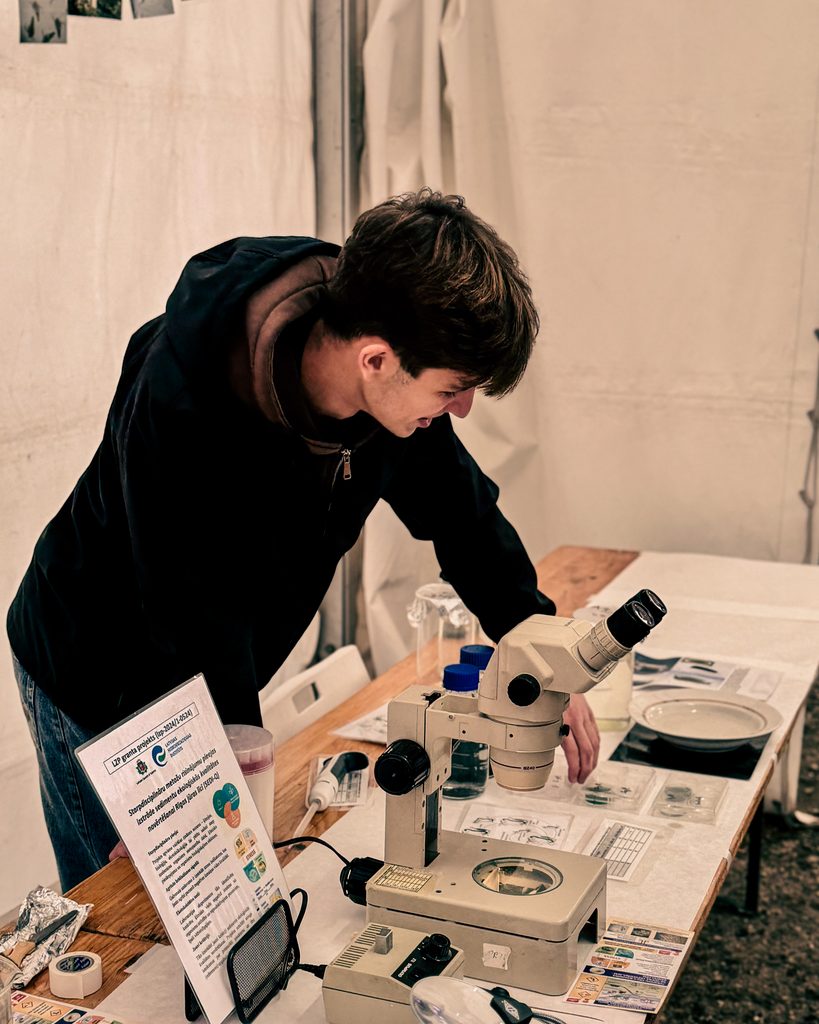
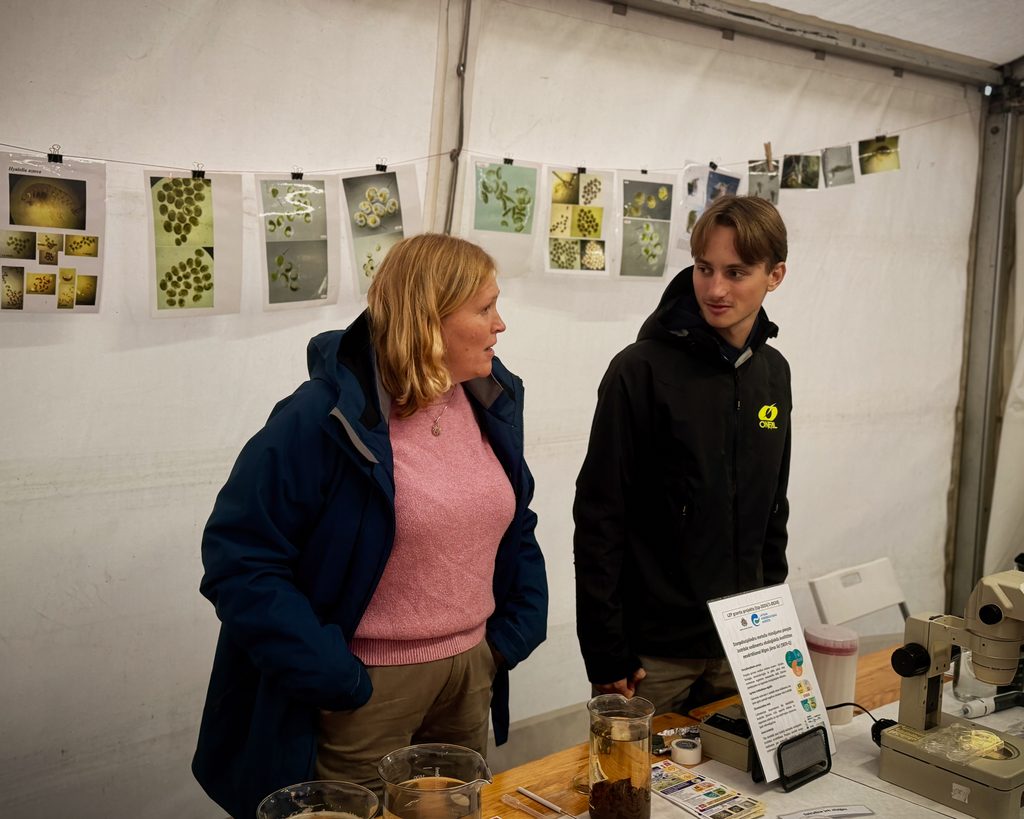
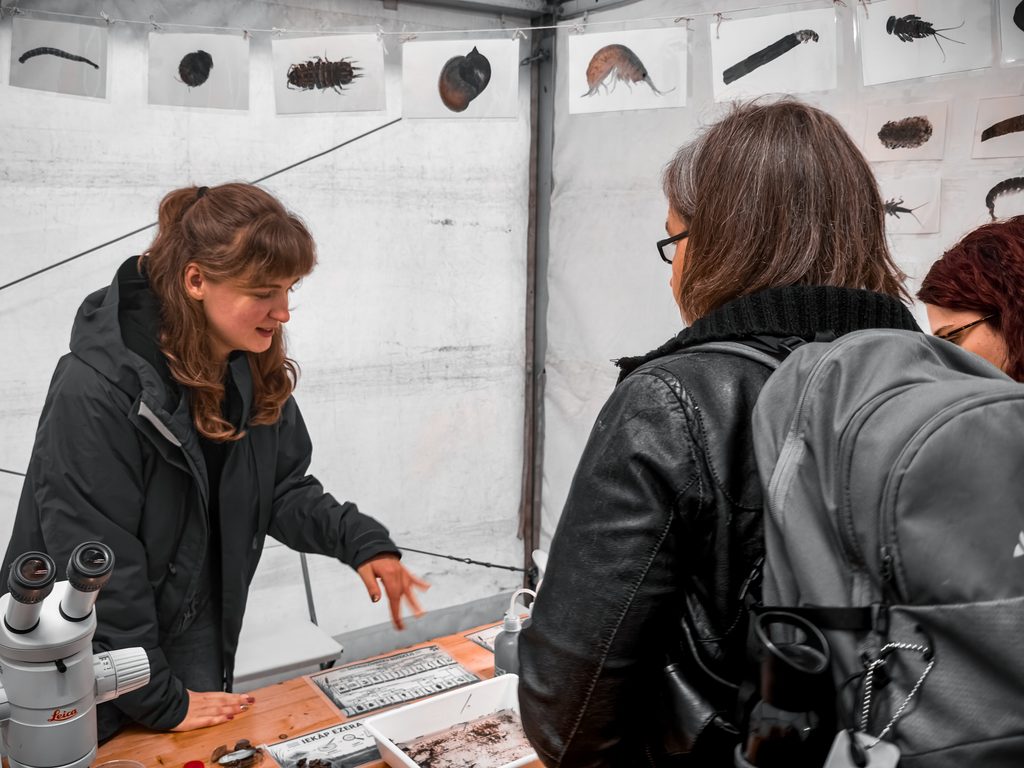
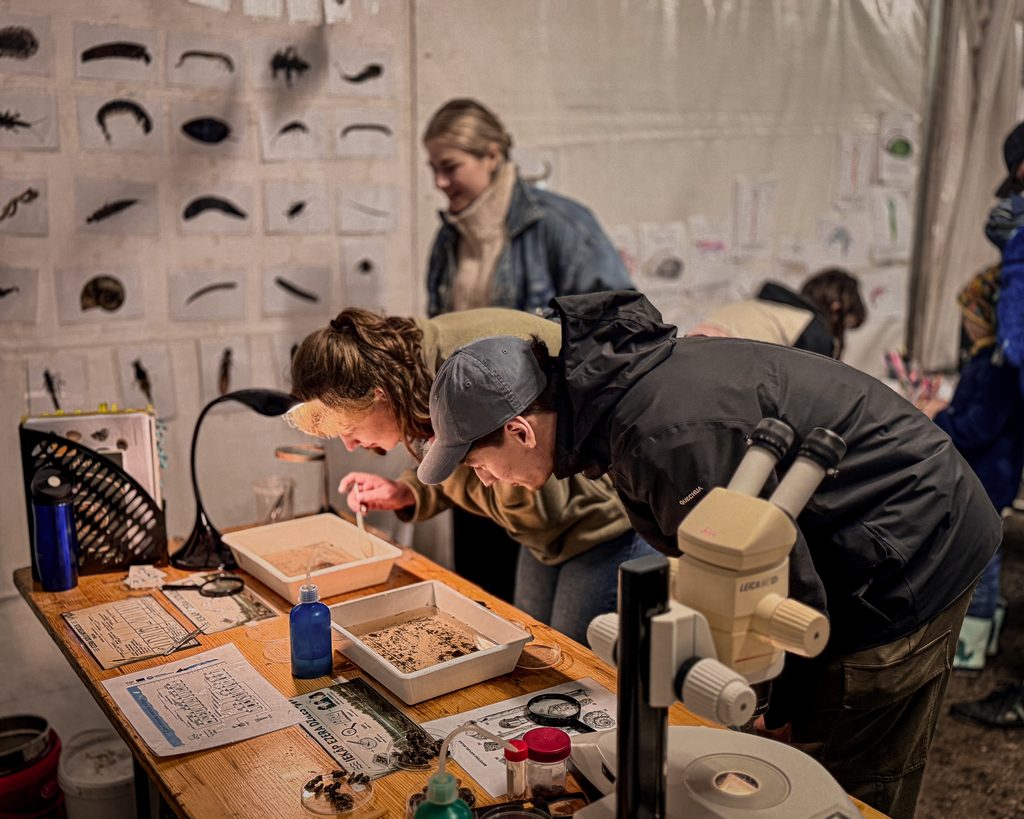
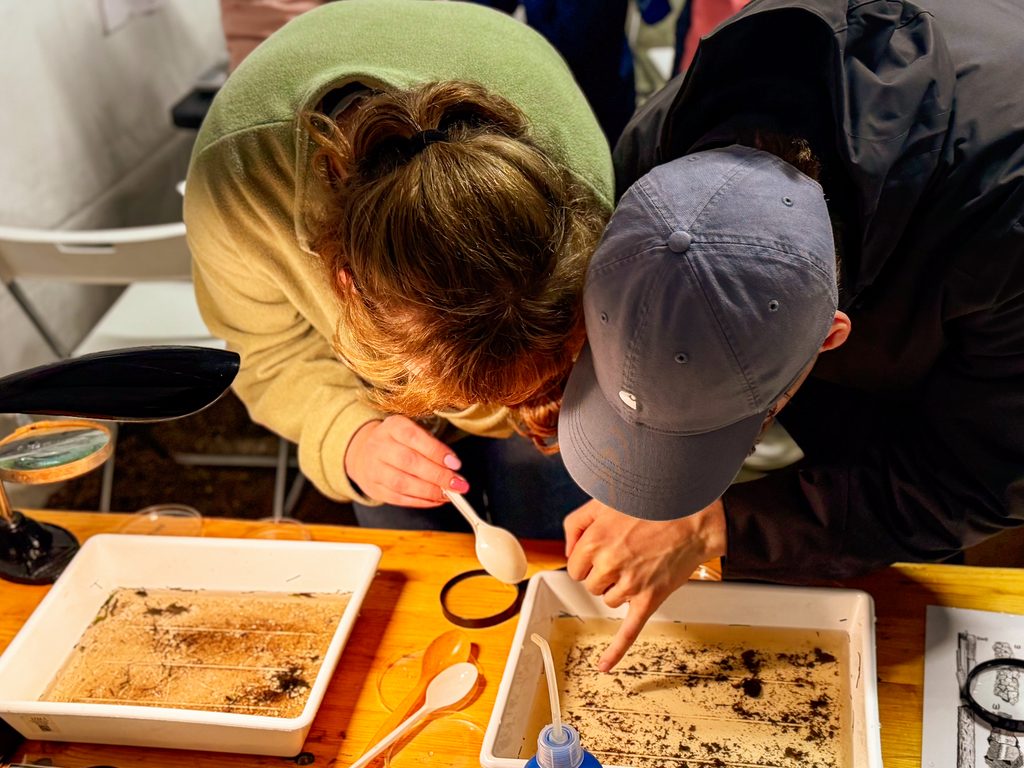
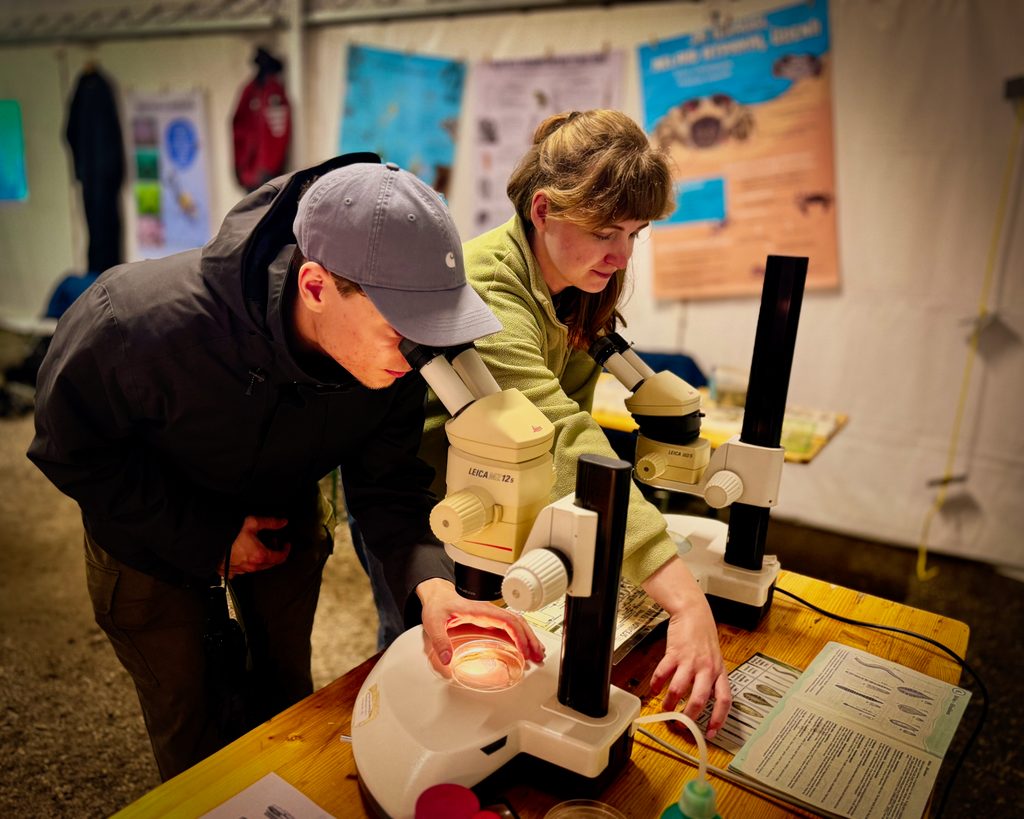
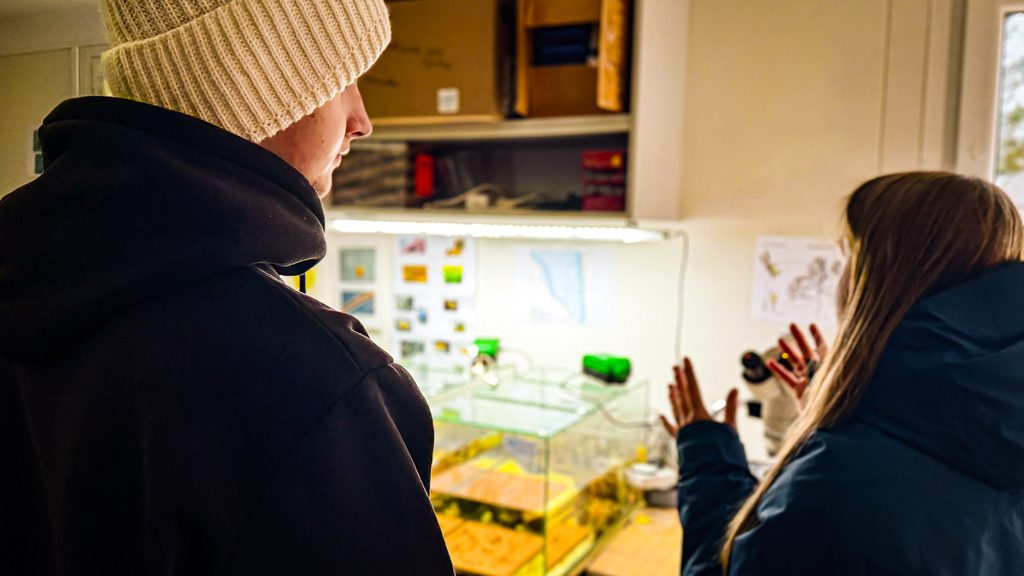
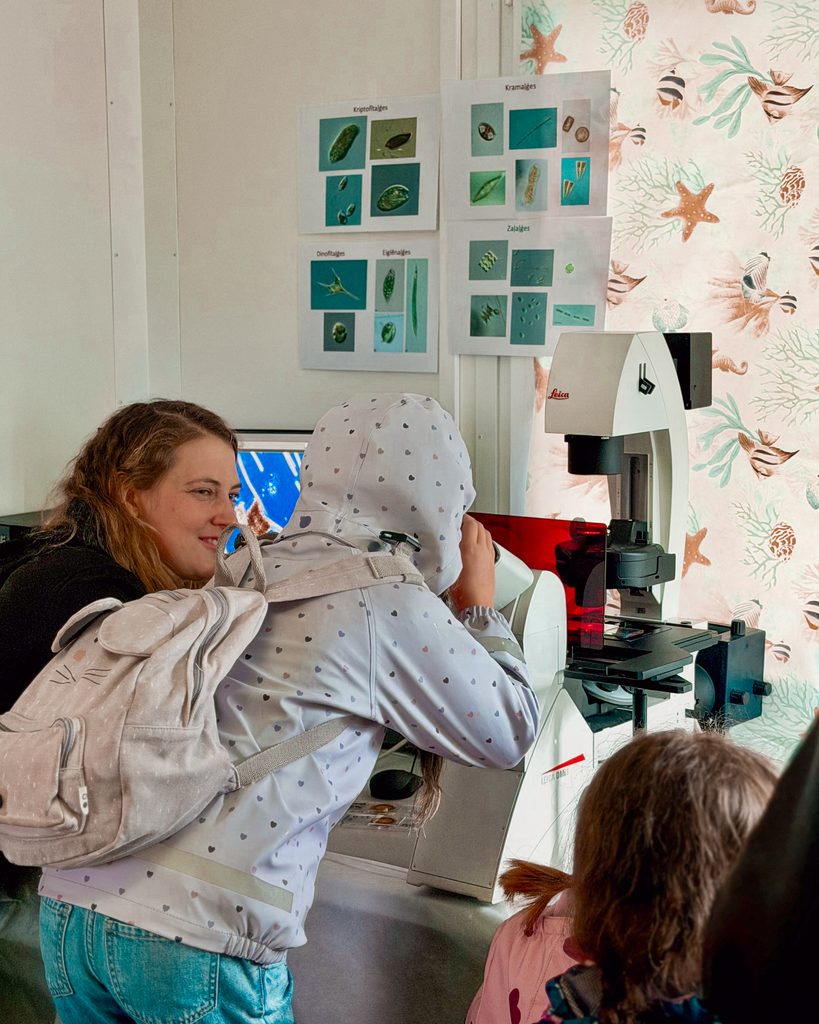
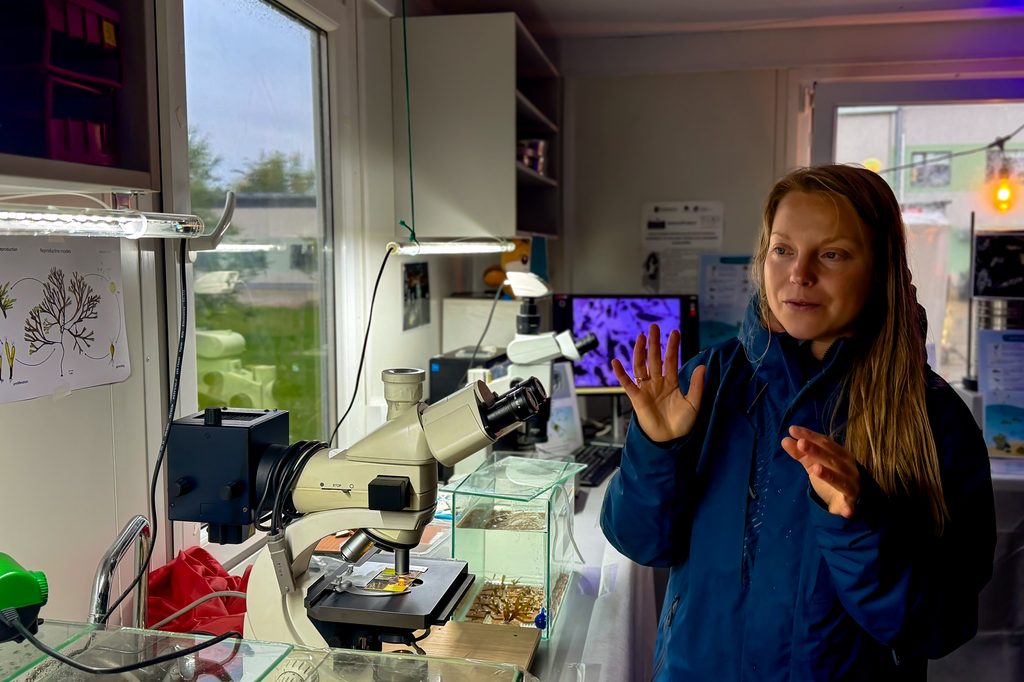
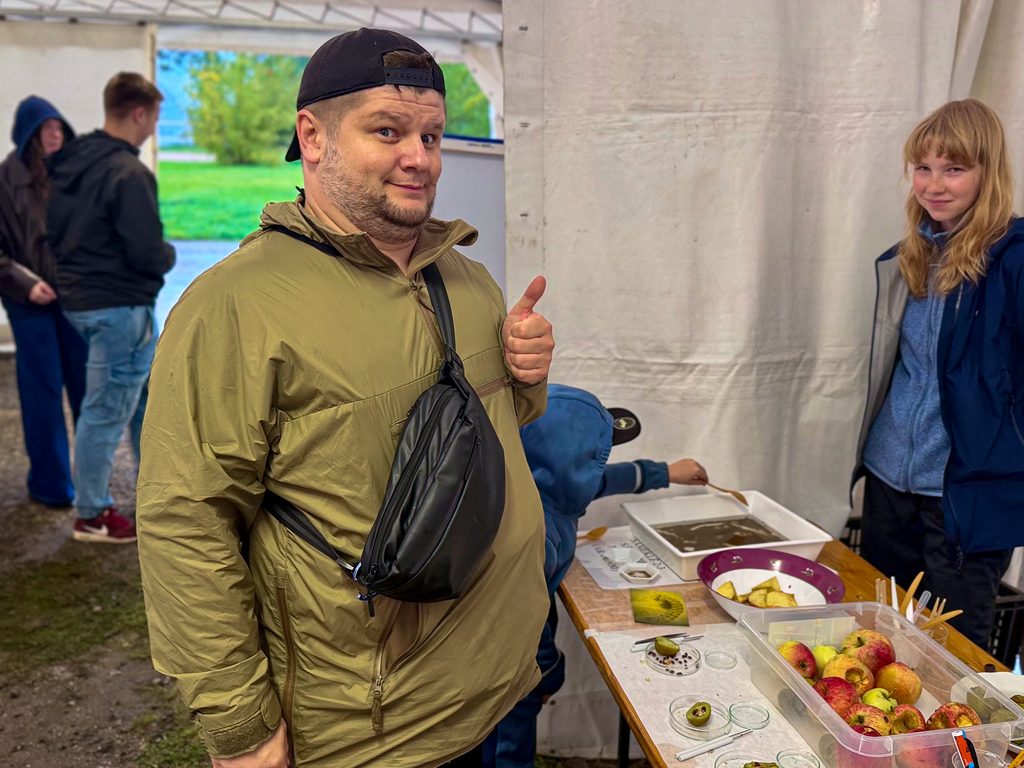
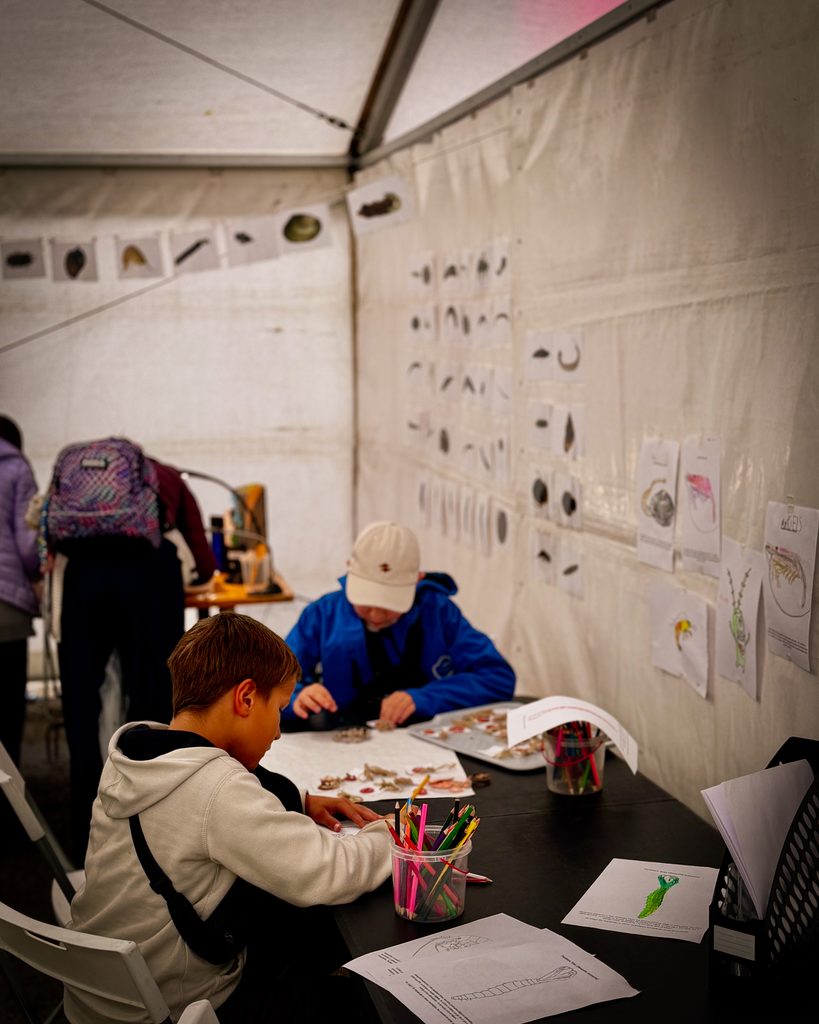
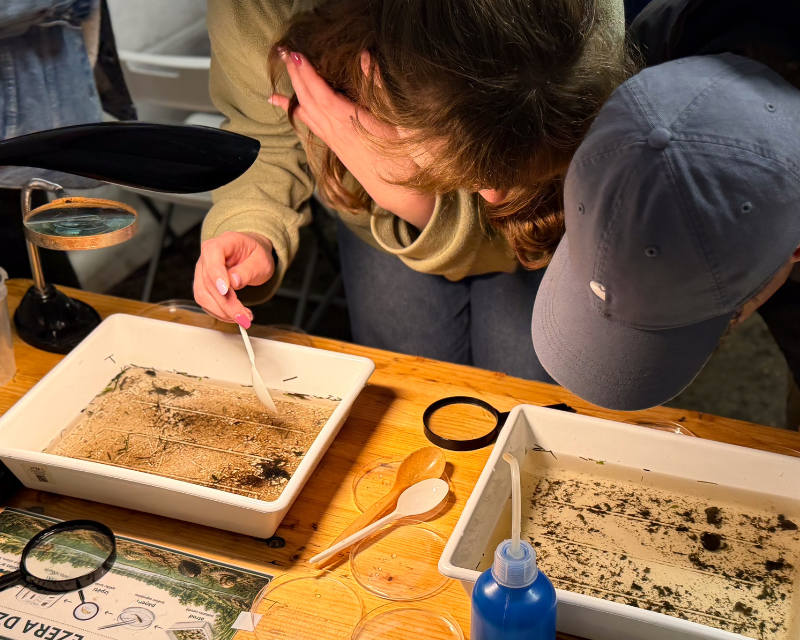
Visitors could also compare water samples with different levels of salinity and observe small aquatic organisms under a microscope. These activities provided accessible ways to explain physical and biological processes while demonstrating how observation, comparison and sample analysis are used in scientific research.
What happens on the seabed?
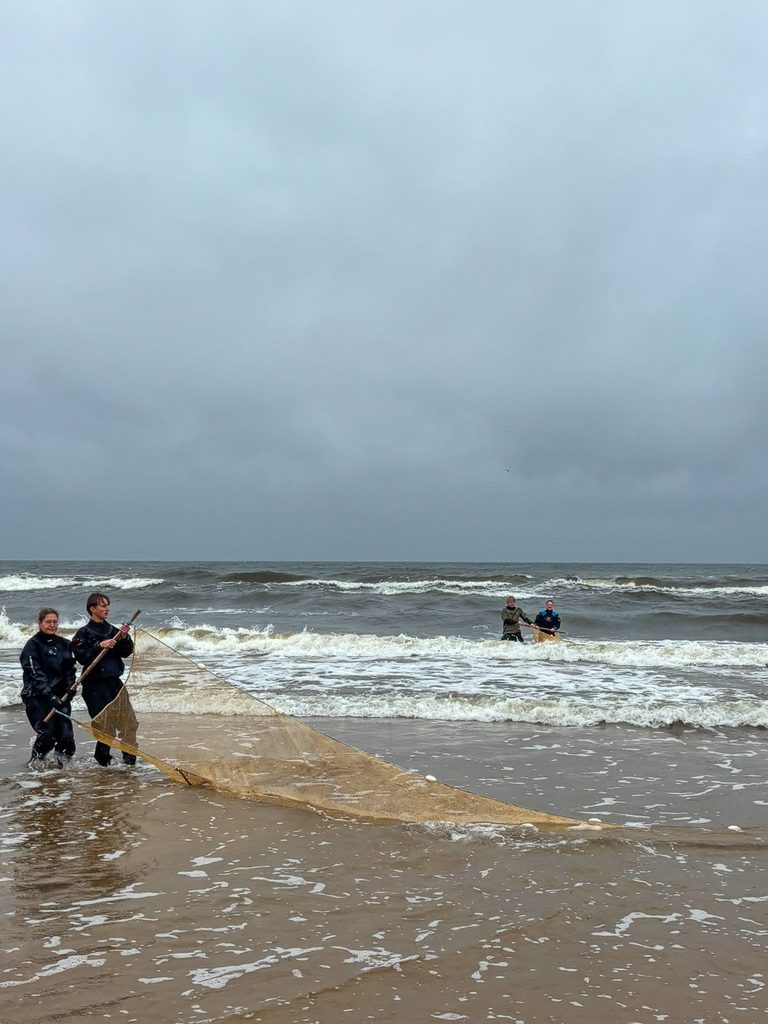
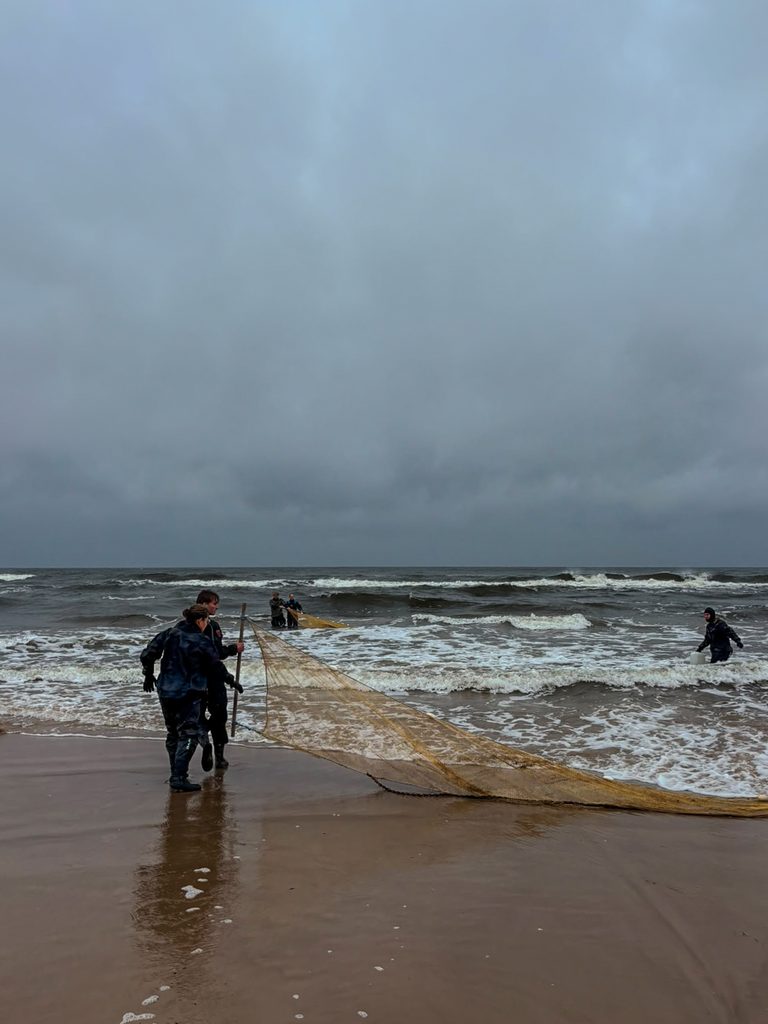
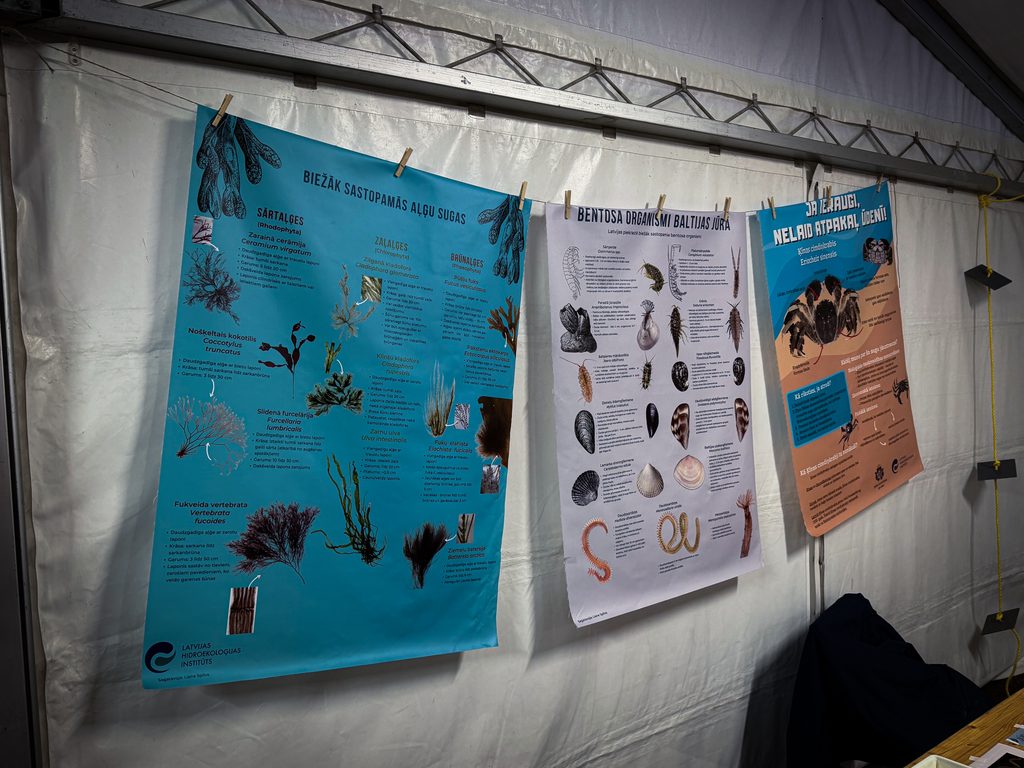
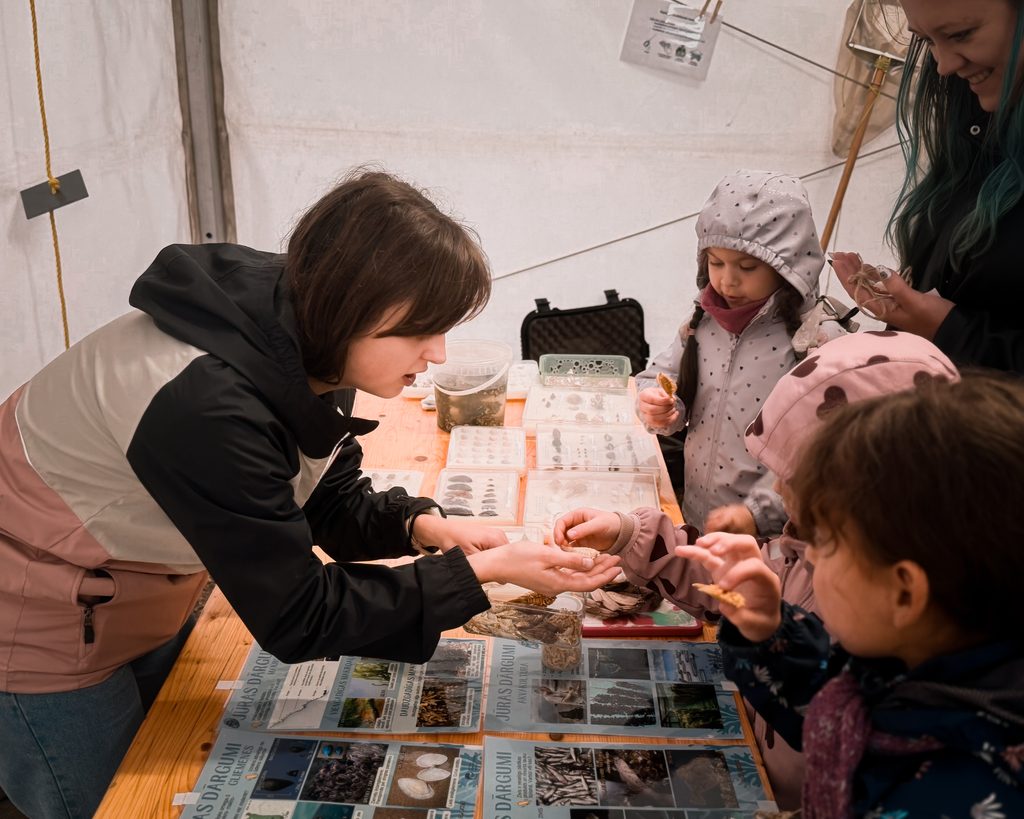
Several activity stations focused on the seabed, benthic organisms and aquatic ecosystem monitoring. Benthos refers to the organisms that live on or within the bottom sediments of aquatic environments. Their composition and diversity can provide valuable information about environmental conditions and changes taking place within an ecosystem.
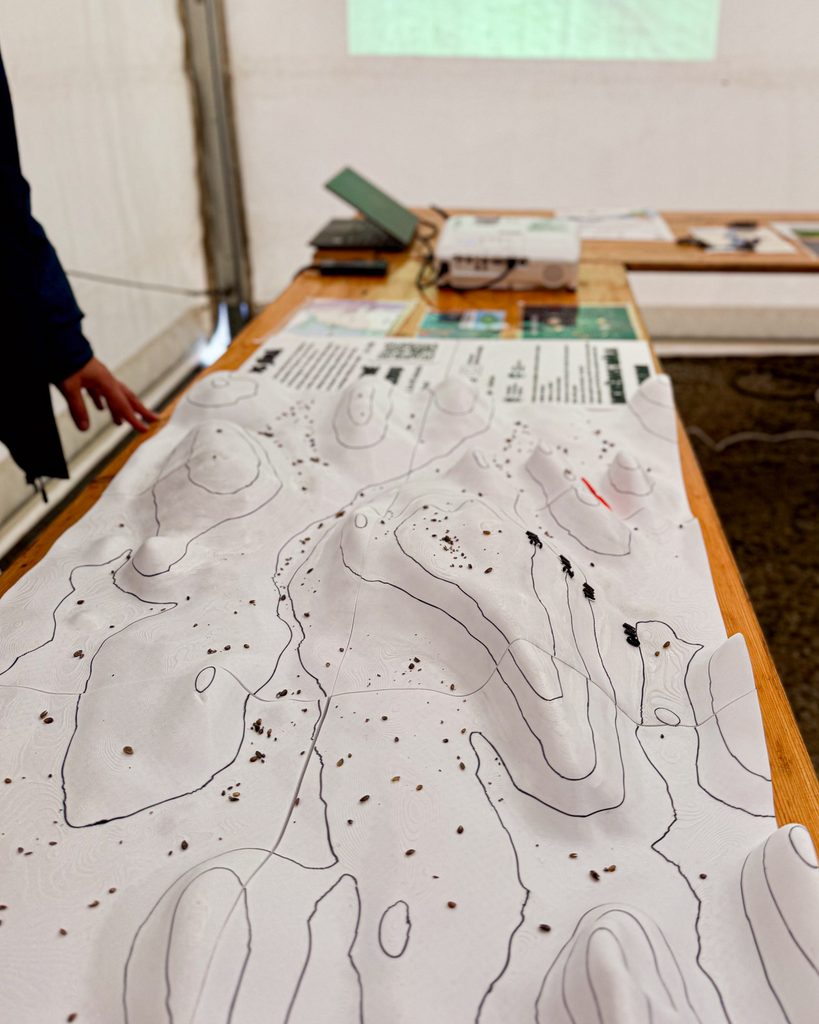
Visitors learned how samples are collected, what researchers look for in them and how the resulting data contribute to assessments of marine and freshwater ecosystems. These topics drew on experience gained through the GEOSITES, FUCUS and Sedi-Q (LZP-2024/1-0524) projects, as well as LHEI’s long-term environmental monitoring work.
The GEOSITES project focuses on underwater geological heritage and its management, while FUCUS, Sedi-Q and monitoring activities contribute to broader research on marine biodiversity, sediments, benthic communities and ecosystem condition. During Researchers’ Night, these topics were presented through concrete examples, research materials and methods used in scientific practice.
Biodiversity and non-indigenous species
The programme also included the mobile classroom of the Nature Conservation Agency of Latvia, complementing LHEI’s activities with opportunities to learn more about Latvia’s biodiversity, non-indigenous species and natural processes. These topics are closely linked to aquatic ecosystem research. The spread of non-indigenous species, changes in biodiversity and the effects of human activities on habitats can only be properly understood through long-term observations and the comparison of monitoring data over time.
The Latvian Institute of Aquatic Ecology conducts fundamental and applied research in marine, coastal and freshwater ecology and is also involved in marine environmental monitoring. Its research covers water quality, ecosystem change, biodiversity, plankton, benthos, non-indigenous species, pollution, habitats and human impacts on aquatic environments.
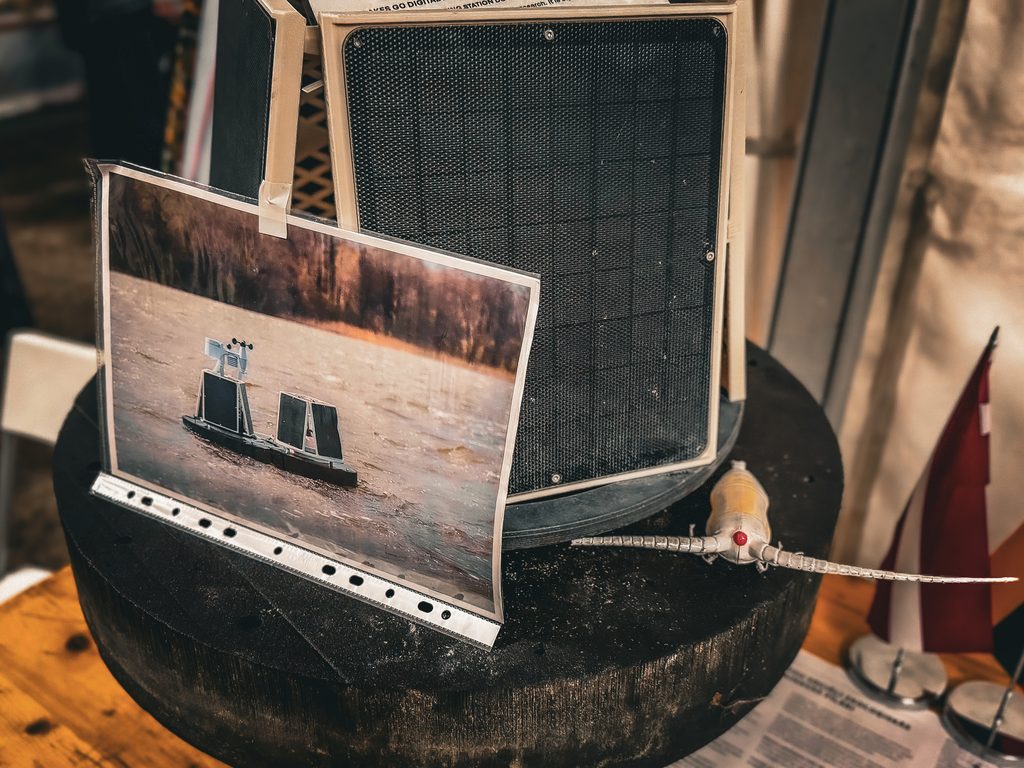
The Researchers’ Night activities were based on knowledge and experience developed through the BioFloat, CLEAN Beach, COCORICO, FUCUS, GEOSITES, GORSMART, GYPREG, LIFE QuietWaters, MarTe, MP-Arctic and Sedi-Q (LZP-2024/1-0524) projects, as well as Daugavpils University doctoral grants in smart specialisation areas (1.1.1.8/1/24/I/004).
Researchers’ Night brought together several levels of aquatic research in one setting – from individual samples and microscope observations to monitoring datasets and broader ecosystem assessments. The event demonstrated how a single observation can become part of long-term scientific knowledge about the Baltic Sea and Latvia’s freshwater ecosystems.
LHEI thanks its researchers, colleagues, project teams, the Nature Conservation Agency of Latvia and all visitors for their participation, questions and interest in marine and freshwater science.
The Researchers’ Night initiative will continue next year, with European Researchers’ Night 2027 taking place on Friday, 24 September.
Photo: Anete Enikova / Latvian Institute of Aquatic Ecology