
The furthest and coldest expedition for the LHEI microplastics research group. This time about preparation for the expedition in Svalbard
Preparations for the expedition – 2nd blog entry
Let’s start with the answer to the question from the previous post – the luggage brought from Riga weighed a total of 114 kg, but before boarding the ship, we need to add some more important things that we will rent in Svalbard
How to prepare for an expedition?
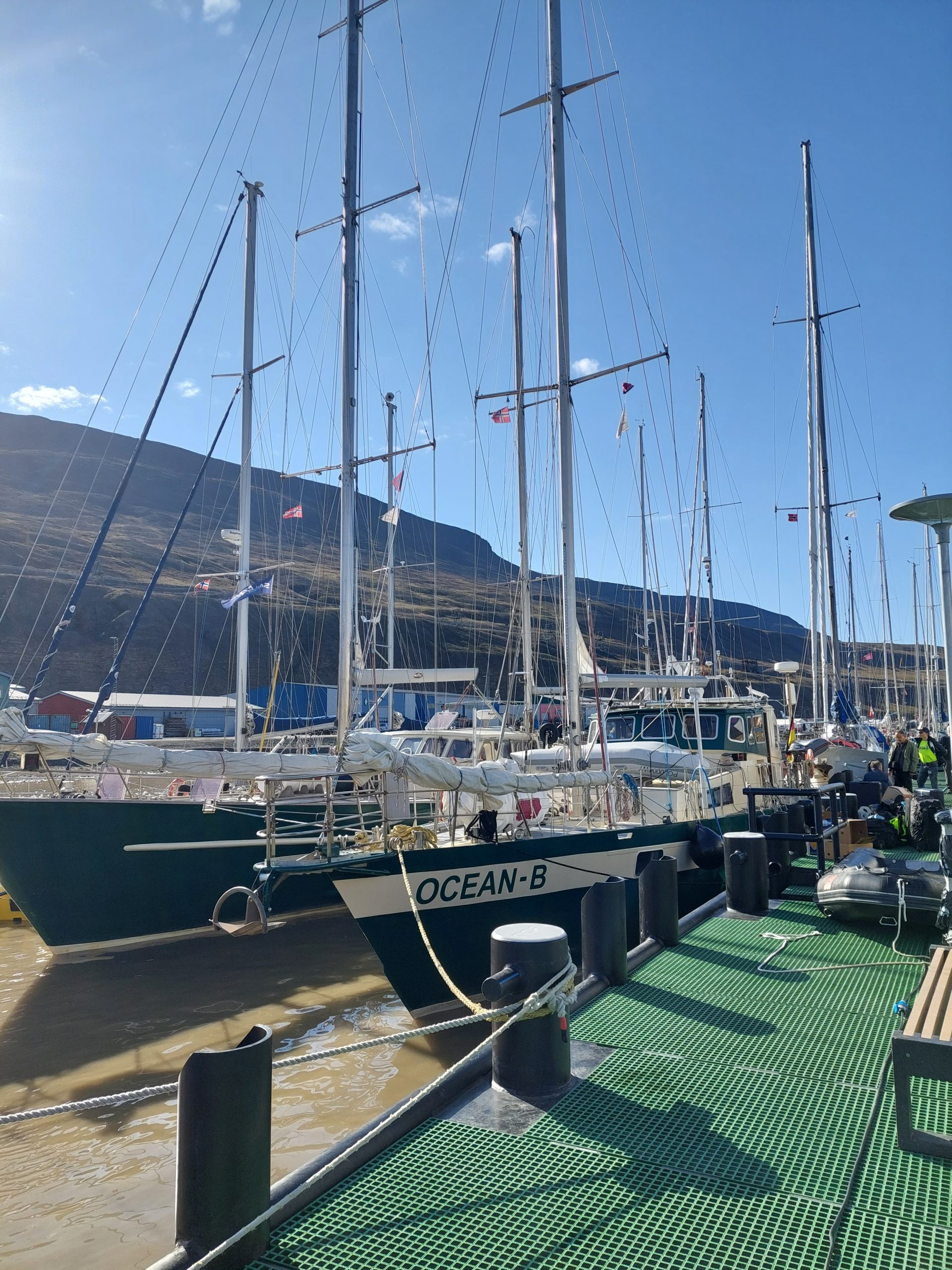
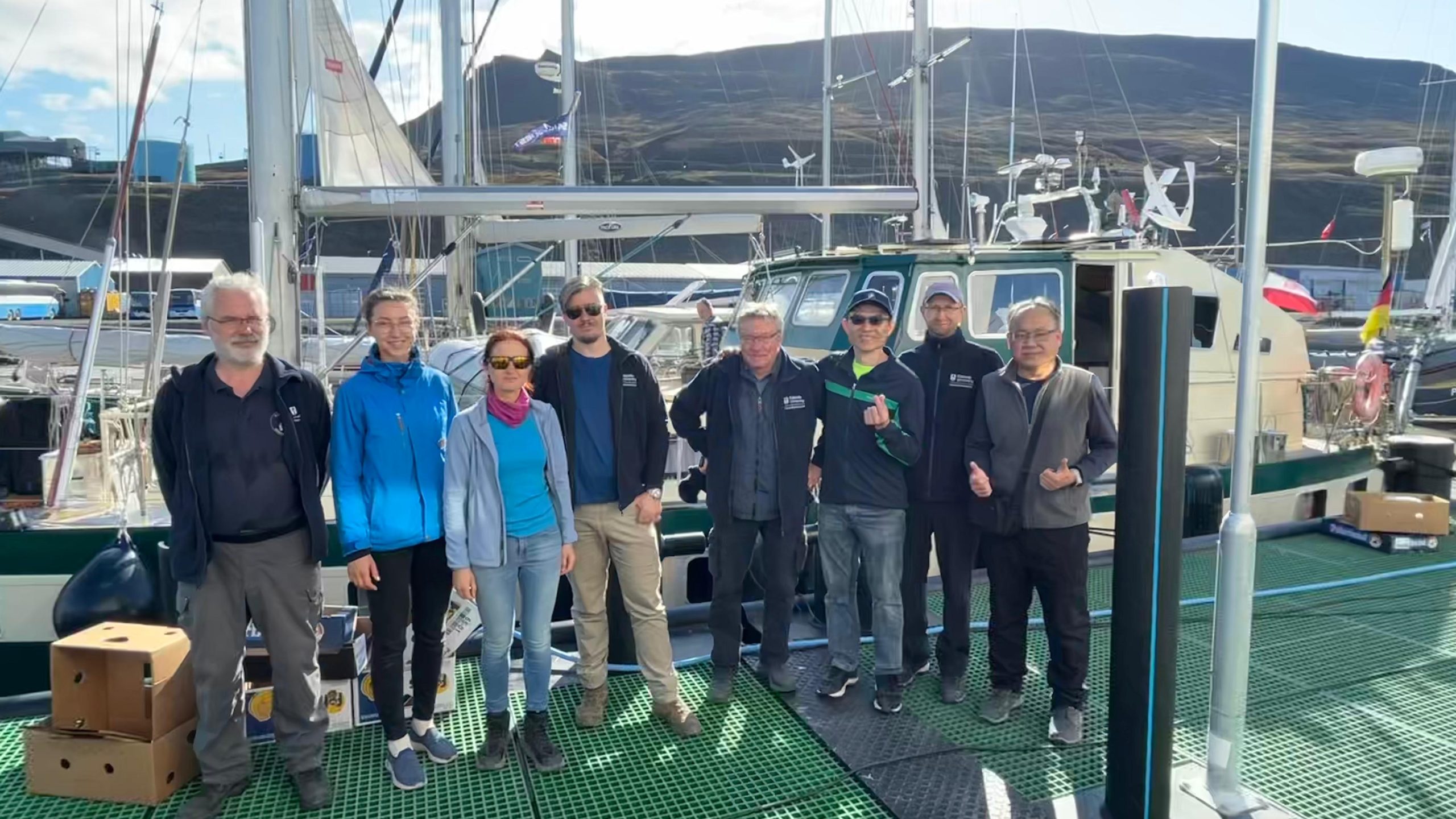
At first an expedition plan is created in accordance with the research design, goals, and planned deliverables of the funded project. Project participants agree on the number of people needed for the expedition, the duration of the expedition, the type and quantity of the necessary samples and sample collection time are calculated. Then, according to the budget and the most suitable time for the expedition, a flight tickets are found, a contract for the ship services is signed and insurance for the expedition members is arranged. Our choice is the yacht “Ocean-B” from Poland. It has 12 passenger seats, plus 3 crew members – captain Alicia, assistant captain Elena and cook Halina – a trio of ladies who manage the scientific expedition yacht with a firm hand.
What’s inside our luggage?
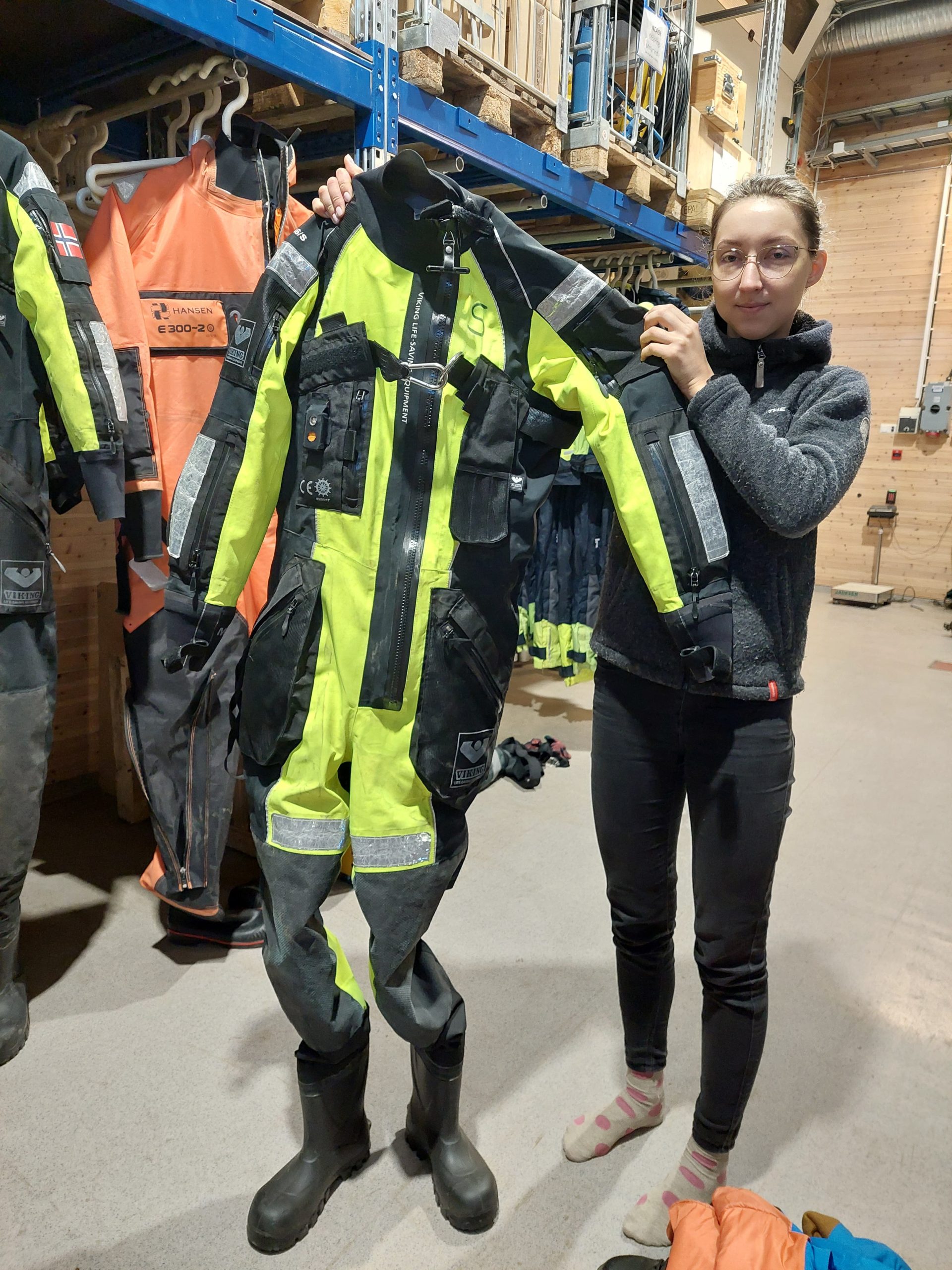
Microplastic collection net and net frame, net shaft, flow meter, spare net parts, sediment drill with its parts, sediment traps (devices consisting of a metal structure, anchors, buoys and two holding tanks to collect the sinking microplastics), clean jars for samples and assessment of background pollution, bowls, cups, sieves for filtering water, sprinklers, spoons, spatulas, tweezers, foil, 400 meters of rope, water depth measuring device, GPS for registering sampling sites, additional replacement parts, tools, keys, screwdrivers for “just in case” situations, field work clothes and shoes. In addition, we rent “survival” clothing from the Norwegian Polar Institute – non-sinking, waterproof overalls equipped with a light, a whistle, knife and carabiner, a location-transmitting device, which is intended to be activated in case “when everything is bad and you want to be found and taken home “, a satellite phone since there is no mobile network reception at the expedition site, flares for scaring away polar bears and sending help signals, as well as a threaded barrel gun for protection.
The most famous inhabitants of Svalbard are polar bears, they are part of the archipelago’s native population, which is struggling due to climate change. The polar bear is one of the world’s largest predators and can be found throughout the territory of Svalbard. There are about 300 polar bears there. The weight of an adult bear can reach up to 800 kg. The survival of polar bears depends on the ice-covered sea area. Ice is needed for hunting and moving from one hunting area to another. As a result of global warming, stable areas of sea ice are shrinking and bears lack food. Young bears can be especially aggressive and may consider humans as easy prey. It is predicted that by 2050 the world population of polar bears will decrease by one third.
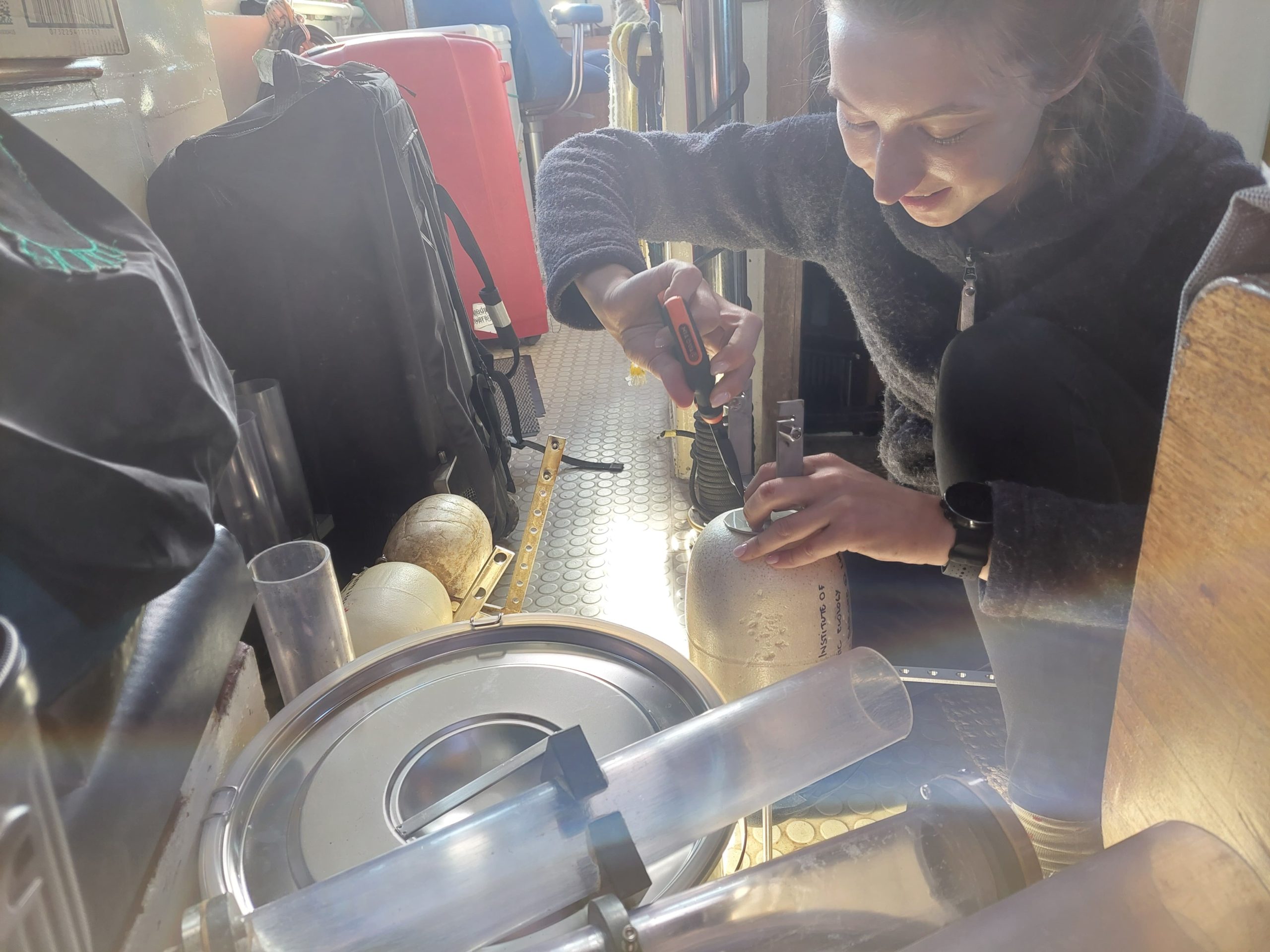
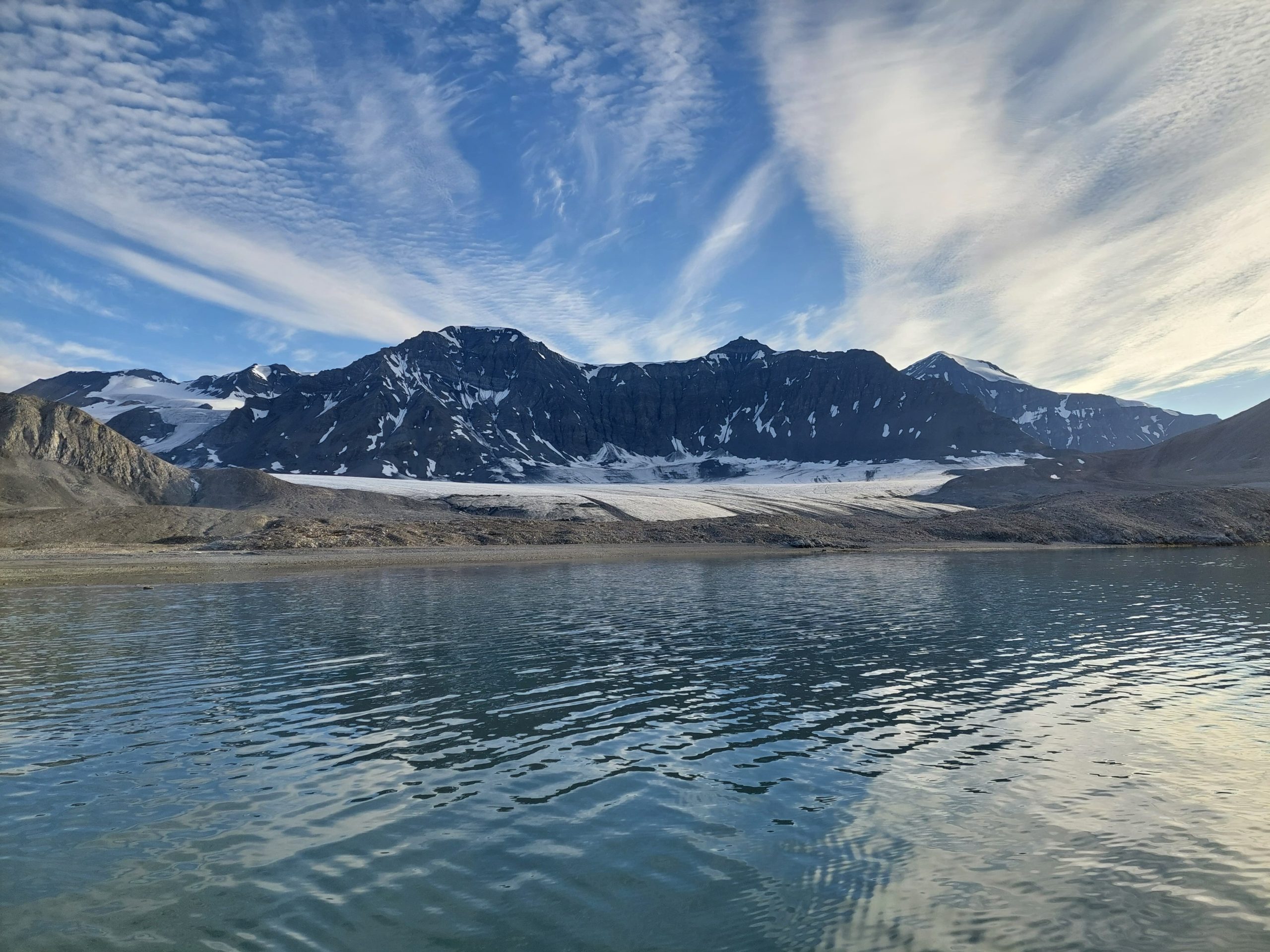
After boarding the ship, the long process of packing and assembling the sampling equipment begins. Most of the equipment is disassembled during transit so that they can take up less space in luggage. After a few hours, all the screws and bolts are in place and the first stop is here – Trygghamna Bay. Here we stop to collect mussels for analysis. There aren’t many, however, accompanied by three curious seals, Marta manages to get a few mussels, which are immediately frozen on the ship in order to determine microplastics in them when we return home. Thanks to the water currents and the characteristic global movement of the air masses, microplastics tend to accumulate specifically in Arctic regions. Thus, plastic can be found everywhere in Svalbard – both on the beaches and in the deep waters. Clams, as they are filtering organisms, accumulate microplastics in themselves. It is estimated that in Svalbard there are approximately 194 pieces of litter (mainly plastic waste) per 1 km2 of the territory and it amounts to 79,000 tonnes.

Map image source: Norwegian Polar Institute (www.toposvalbard.npolar.no)
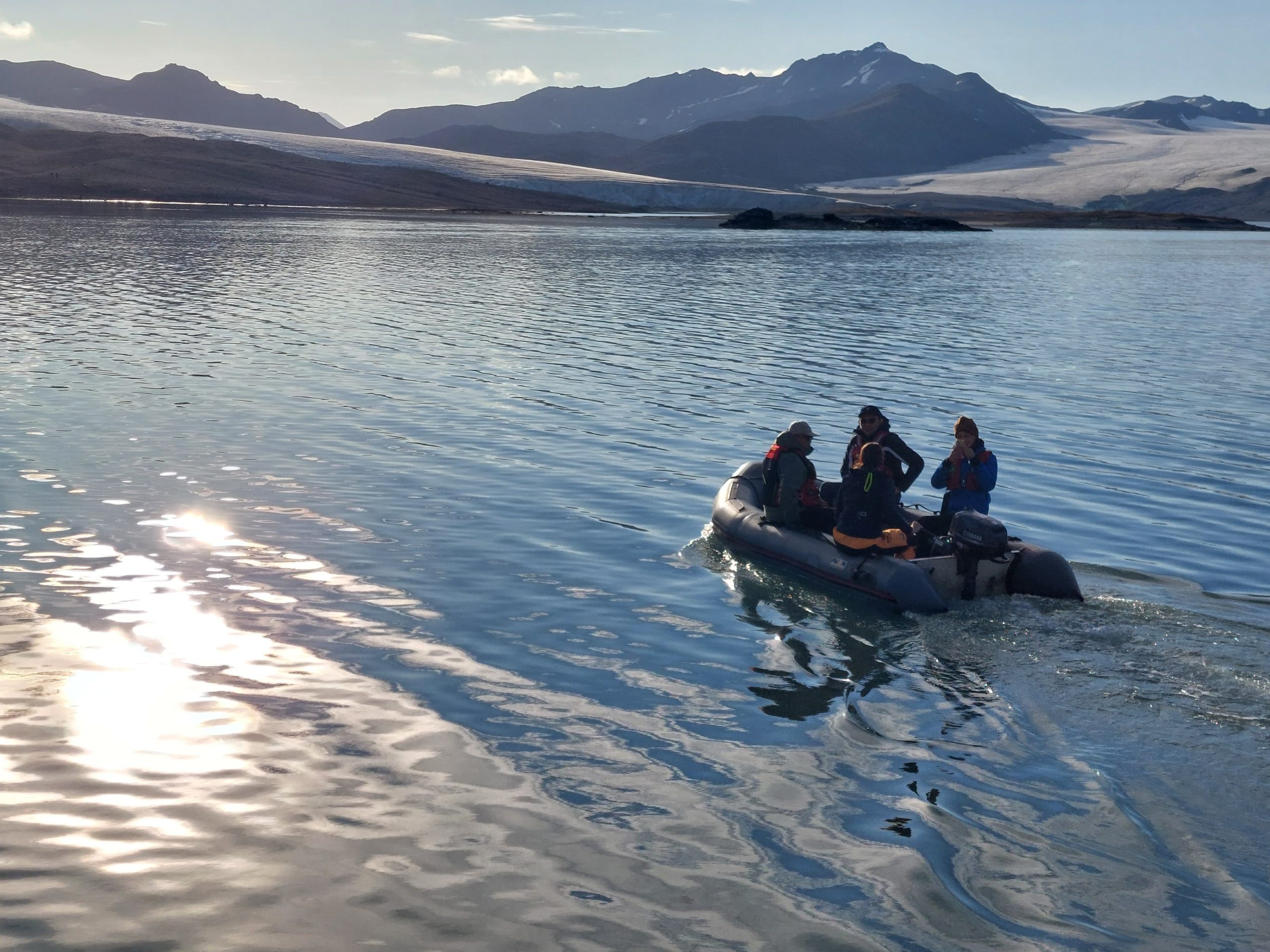
The next stop is Eidembukt Bay, where we will spend most of the expedition time. Question for the readers: how long did it take for the yacht Ocean-B to reach Eidembukt Bay from Longyearbyen? The answer will be revealed in the next post on Friday and the most active commentators on the LHEI Facebook or Instagram channels will receive a prize at the end of the expedition!
Project “MP-ARCTIC” implemented with the support of Latvian Council of Science.